
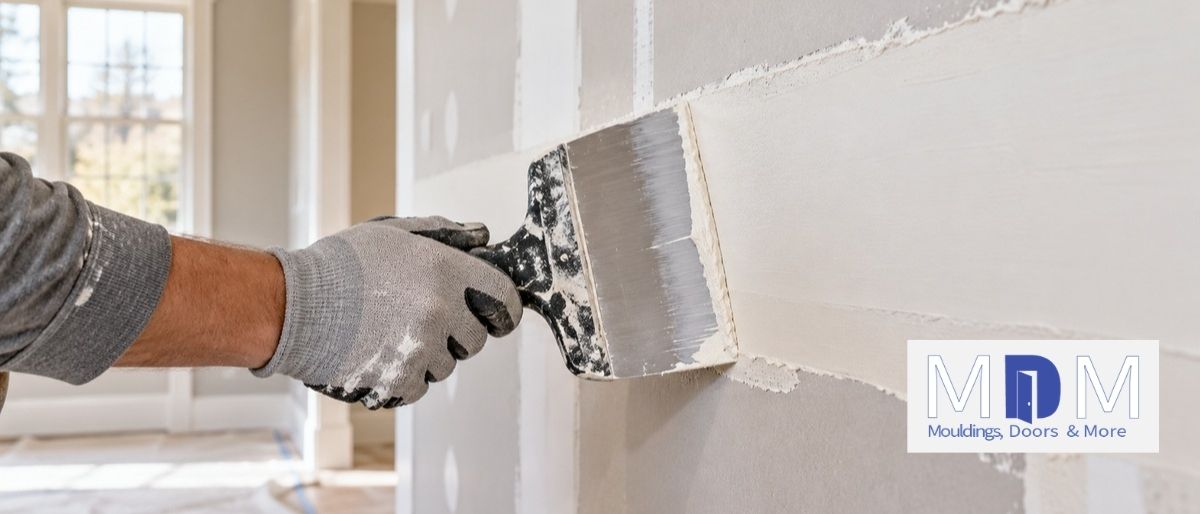
You repaired the hole, painted the spot and waited for it to disappear. Then the afternoon light crossed the wall, and the patch became the first thing you noticed. A visible repair does not always mean the paint color is wrong. The surface underneath may be telling a different story.
Successful drywall repair involves more than filling an opening. Shape, texture, lighting and the final finish all influence whether the repaired area blends with its surroundings. Understanding those factors helps set realistic expectations before the next coat of paint.
A small repair can need a wider finishing area
Joint compound that ends abruptly can leave a ridge or a noticeable change in plane. Finishing often extends beyond the original damage to soften that transition. The area being worked on may therefore be larger than the hole that started the project.
Corners and seams introduce their own details. Tape, corner bead and the condition of adjacent material can affect the repair approach. Ask what needs to be removed or stabilized so the work begins with a sound surface rather than a loose edge.
Light reveals differences the hand may miss
Daylight entering along a wall can highlight slight humps, depressions and sanding marks. Overhead or wall-mounted fixtures can do the same. A patch that looks acceptable straight on may read differently from the normal approach to the room.
Point out the lighting conditions during the estimate. Show the repair from the angle where it is most visible. This gives the finishing conversation useful context and helps explain why a particularly exposed wall may need more extensive attention.
Texture and paint are separate parts of the result
A smooth repair in a textured wall may remain visible even when its edges are well blended. Existing texture may need to be matched, depending on the wall and the available method. Discuss the likely result rather than assuming every aged finish can be duplicated invisibly.
Primer, sheen and the condition of the surrounding paint also affect appearance. Touching up one small spot does not always produce an even finish across the wall. Confirm whether the scope ends at a paint-ready surface or includes subsequent painting.
Address recurring damage before covering it
A stain that returns, a crack that repeatedly opens, or a soft area needs an explanation before cosmetic work proceeds. Report any known leak or movement and arrange appropriate evaluation. Replacing the visible finish alone may leave the underlying cause untouched.
Mouldings Doors and More provides drywall installation, patching, taping, finishing and related preparation, with texture work where applicable. If a wall repair keeps catching your eye, share photos and the history of the damage. A better finish starts with understanding the surface.
Explore drywall services with Mouldings Doors and More. Call (651) 486-7194 to discuss your project.
continue reading
Related Posts
A door that squeaks, sticks, or refuses to latch might seem like a minor annoyance. But everyday door problems can
November is a natural time to notice what works in your home and what does not. Maybe the kitchen feels
A staircase is easy to overlook when you use it several times a day. Then you see it in a
A wall of moulding samples can feel like a collection of very small decisions. One curve is deeper. One edge
Flooring samples make the visible choice easy to imagine. You can picture a lighter plank opening up the room or
You find a lever you love, choose a finish, and then discover the version in your cart does not lock.
The paint is new. The furniture is back. The flooring looks beautiful. Yet the room still feels as though one
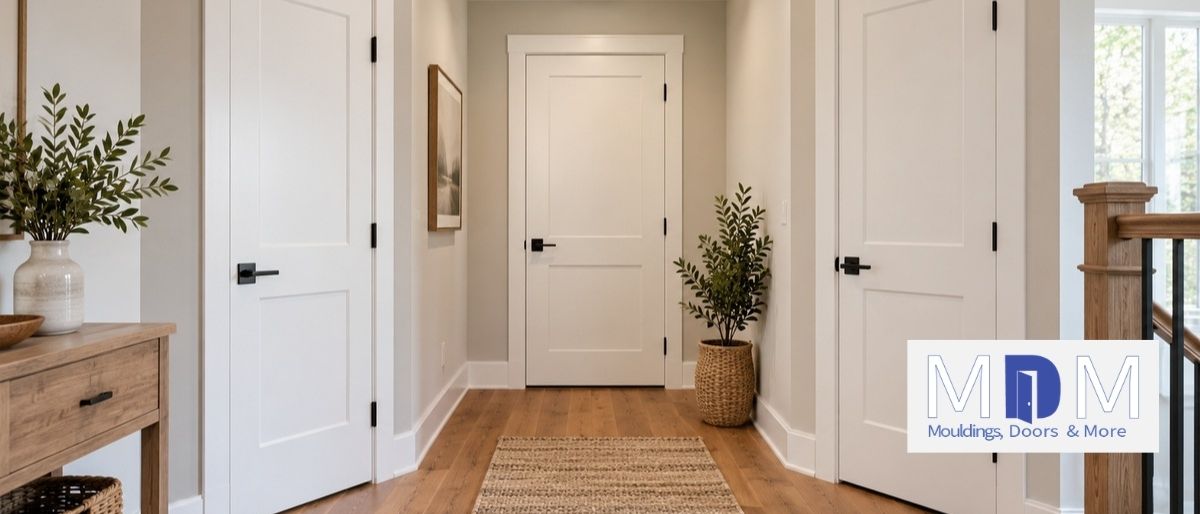
Stand at the end of your hallway and count the doors you can see. There may be bedrooms, a bathroom,

The loose handle gets another quick wiggle. The trim piece stays on the shelf. The small repair in the spare

A front door has two very different jobs: welcome people in and separate the house from the weather outside. Most
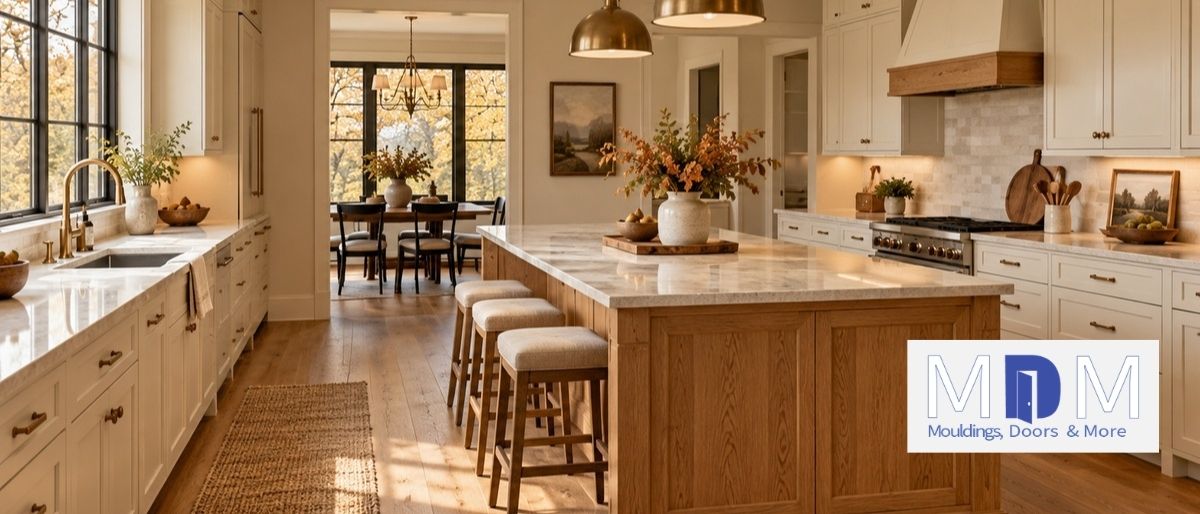
At 7:30 on a weekday, a kitchen tells you more about its design than any showroom ever could. Someone needs
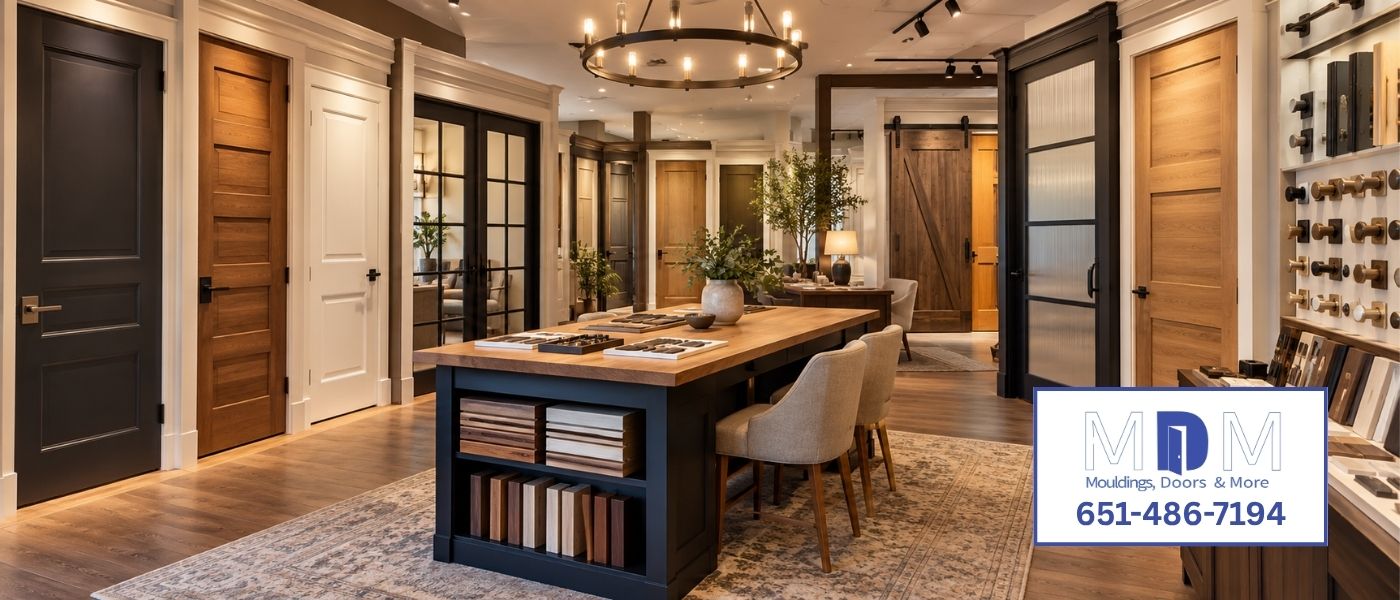
Interior doors rarely stand alone visually. Every door is framed by casing, connected to baseboards, surrounded by wall color, and