
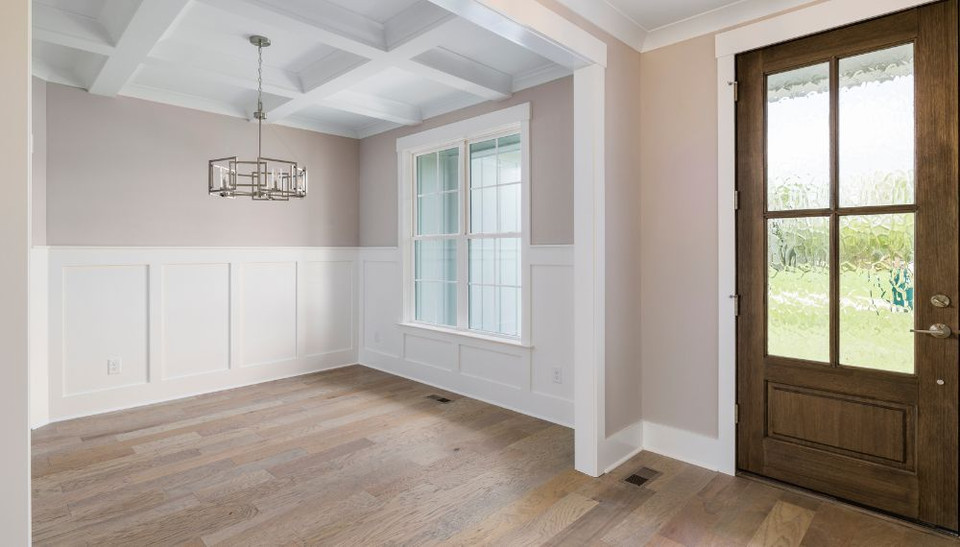
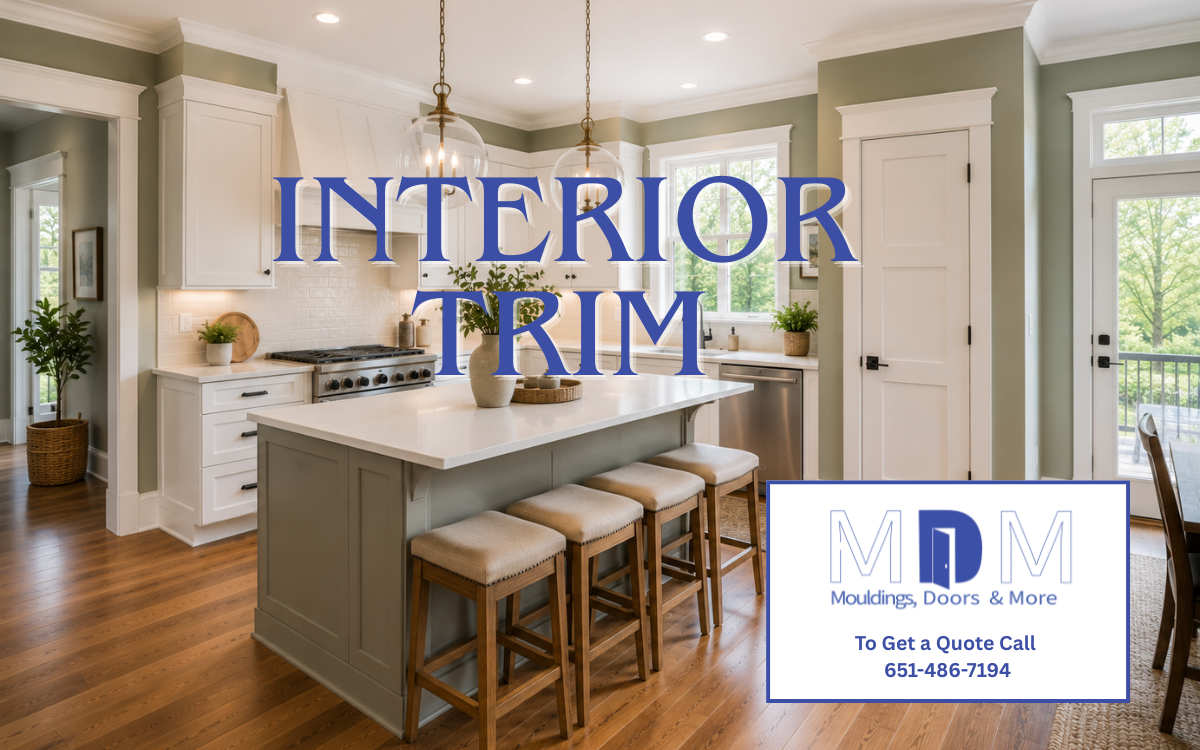
For any construction or remodeling project, the millwork—the mouldings, trim, and interior doors—are the final details that define quality and character. They are the frame for your project, elevating a functional space into a beautiful, finished environment.
For commercial builders, remodelers, and home builders, selecting the right trim isn’t just about aesthetics; it’s about making choices that meet the project’s budget, durability needs, and timeline.
At Mouldings, Doors & More, we don’t just supply materials; we offer the expertise to help you choose the perfect millwork. Here is a builder’s guide to making informed decisions when selecting trim for your next project.
1. Paint-Grade vs. Stain-Grade: The Core Decision
The first choice you’ll face dictates the material and finish of your trim:
Paint-Grade Millwork
Paint-grade mouldings are designed to be painted. They are typically made from materials like Medium Density Fiberboard (MDF) or finger-jointed pine.
Best For: Projects where the trim needs to blend seamlessly with the wall color, high-volume production builds, or areas where cost-efficiency and a smooth finish are priorities.
Benefits:
Cost-Effective: Generally the most economical option.
Versatile: Easy to paint any color to match décor.
Smooth Finish: MDF, in particular, offers a flawless, grain-free surface ideal for a sleek paint job.
Considerations: MDF is susceptible to water damage, making it less ideal for bathrooms or areas prone to moisture unless properly sealed. Primed wood options offer better durability in these areas.
Stain-Grade Millwork
Stain-grade mouldings are cut from solid wood species that feature attractive grain patterns.
Best For: High-end custom homes, historical restorations, or commercial spaces where the natural beauty of the wood is meant to be a feature (e.g., executive offices, libraries, luxury lobbies).
Benefits:
Durability: Solid wood is resilient and can withstand more wear and tear.
Aesthetics: Provides a rich, warm, and timeless look that adds significant perceived value.
Variety: Available in species like Oak, Maple, Cherry, Poplar, or exotic varieties, allowing for precise matching of cabinets or doors.
Considerations: Higher cost and longer lead times, particularly for custom or less common species. Requires skilled finishing and staining on-site.
2. Choosing the Right Profile for Architectural Style
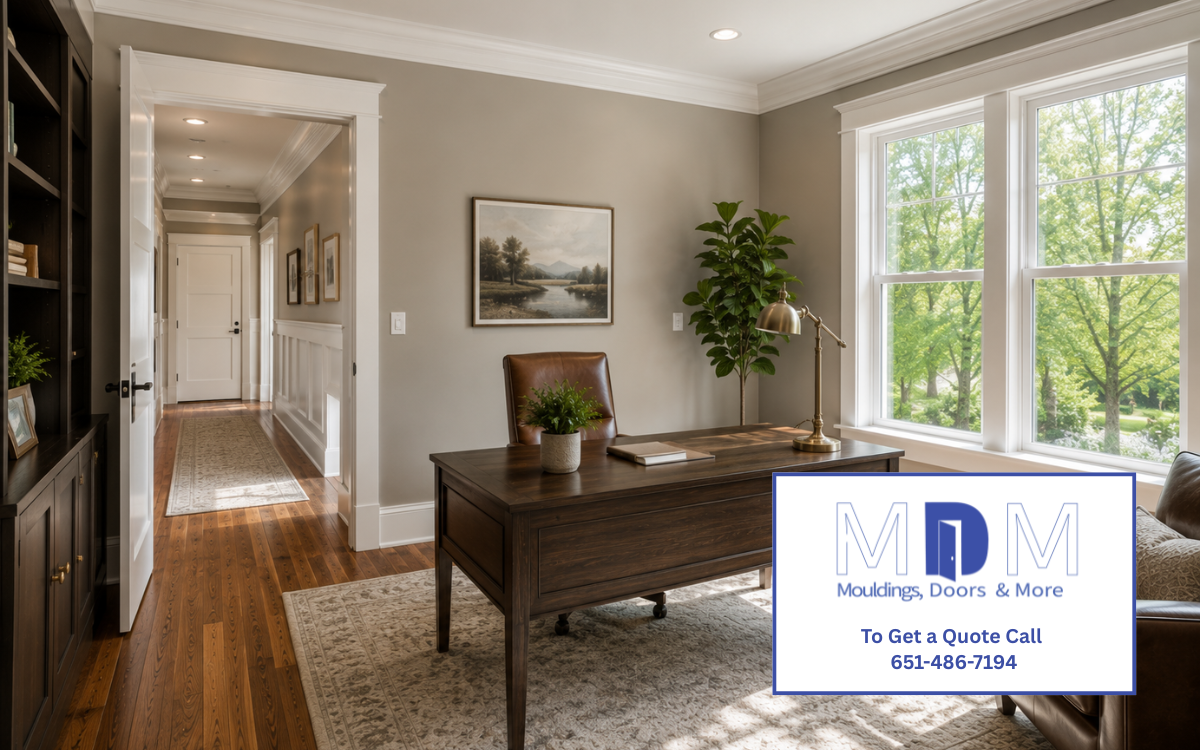
The shape of the moulding—its profile—is critical for establishing the architectural style of a space. A simple profile in a modern home is just as important as an elaborate profile in a traditional setting.
| Architectural Style | Recommended Profile Characteristics | Common Examples |
|---|---|---|
| Modern/Contemporary | Simple, square, and clean lines. Minimal detail or smooth radius curves. | Square-edge casing, flat baseboards, or subtle stepped profiles. |
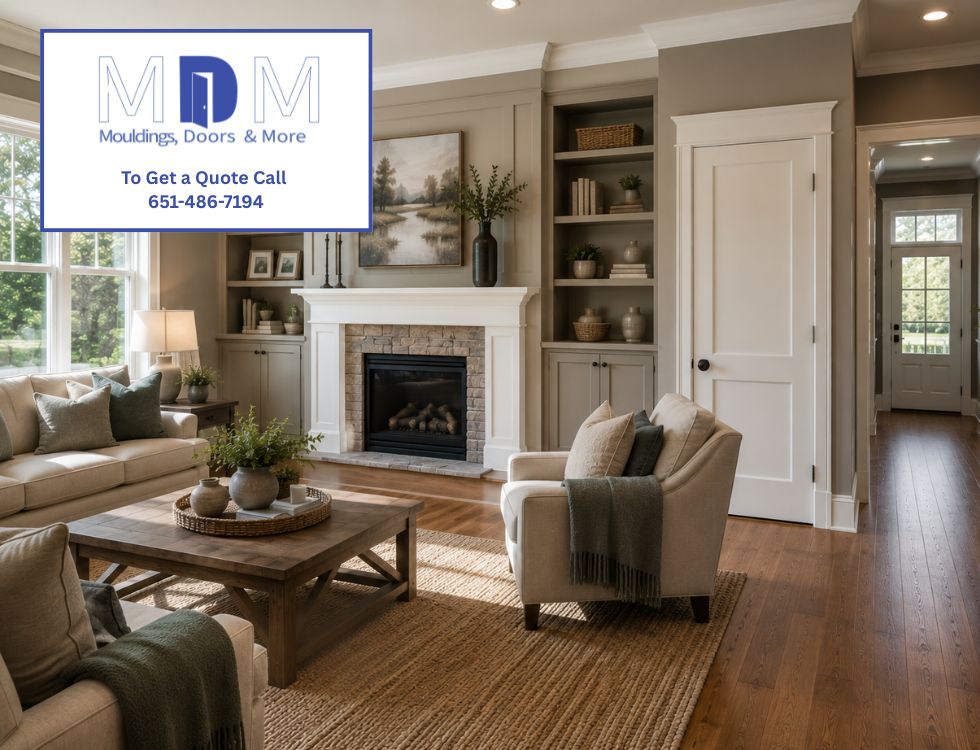
| Traditional/Classic | Layered, multi-piece profiles with intricate curves and detailing. | Colonial or Victorian-style profiles, large crown mouldings, and detailed casings. |
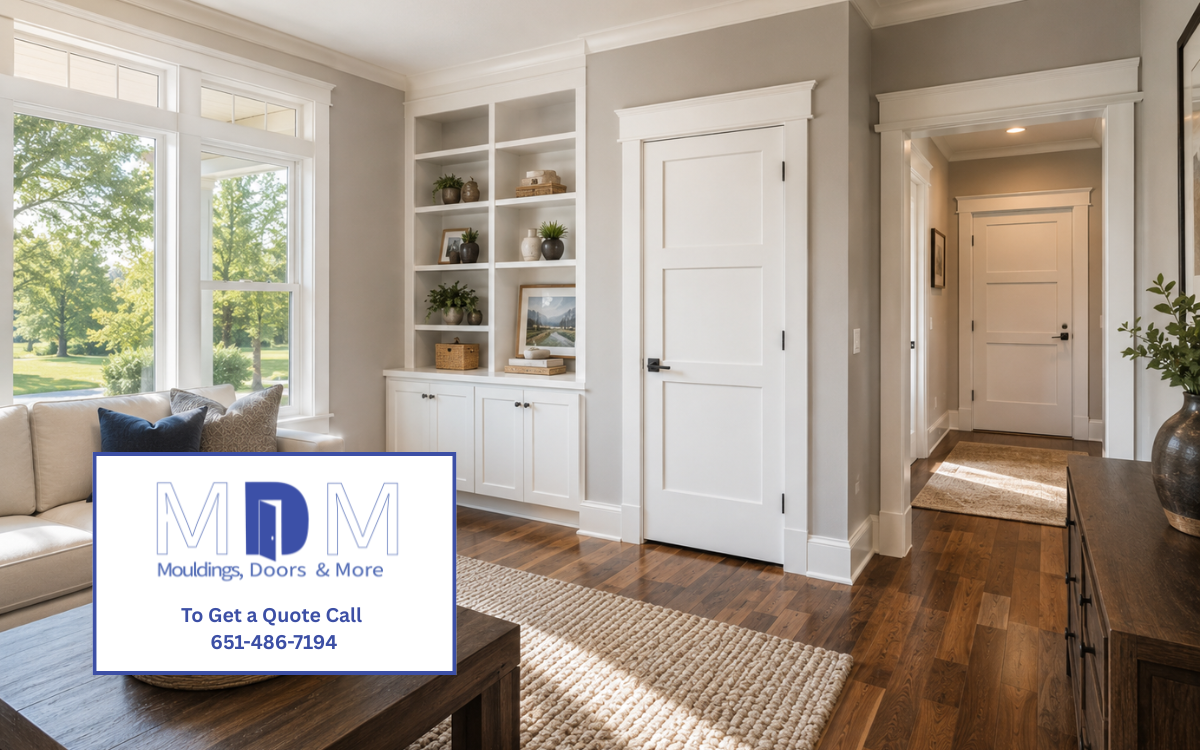
| Craftsman/Shaker | Wide, thick trim with clean lines; often features flat stock with a slight bevel. | Wide window and door casings, and thick, low-profile baseboards. |
Expert Tip: Using a wider baseboard and more detailed crown moulding can make a room feel taller and more finished, instantly elevating the sense of luxury.
3. Selecting Material for Functional Needs
Durability and location should drive your material selection, especially in commercial or multi-family settings where maintenance is a concern.
High-Moisture Areas (e.g., Bathrooms, Utility Rooms): Avoid standard MDF. Choose primed pine or a composite material that can resist moisture absorption and prevent swelling or warping.
High-Traffic Areas (e.g., Hallways, Lobbies): Solid stain-grade hardwood is best for durability against scuffs and impacts. If using paint-grade, opt for finger-jointed pine over MDF for better impact resistance.
Fire-Rated Doors/Openings: For commercial projects, code often dictates the use of specific fire-rated door frames and doors. We help you source these specialized products to ensure compliance without compromising the overall design aesthetic.
Your Dedicated Millwork Partner
Navigating the vast array of mouldings, doors, and millwork options can be complex. That’s why partnering with a specialist like Mouldings, Doors & More is crucial.
We provide dedicated material sourcing, offering everything from standard paint-grade mouldings to full custom sizing in any wood species. We offer in-store and on-site support to assist with selection, ensuring you get the perfect trim that meets your design vision, budget constraints, and project timeline.
Make your choice with confidence. Call us first to ensure your next project is framed by quality and expertise.
Mouldings, Doors & More – Minnesota
About Us Doors & Mouldings Contact Us
100% Customer Satisfaction – Fast Turnaround Time – Quality Work
continue reading
Related Posts
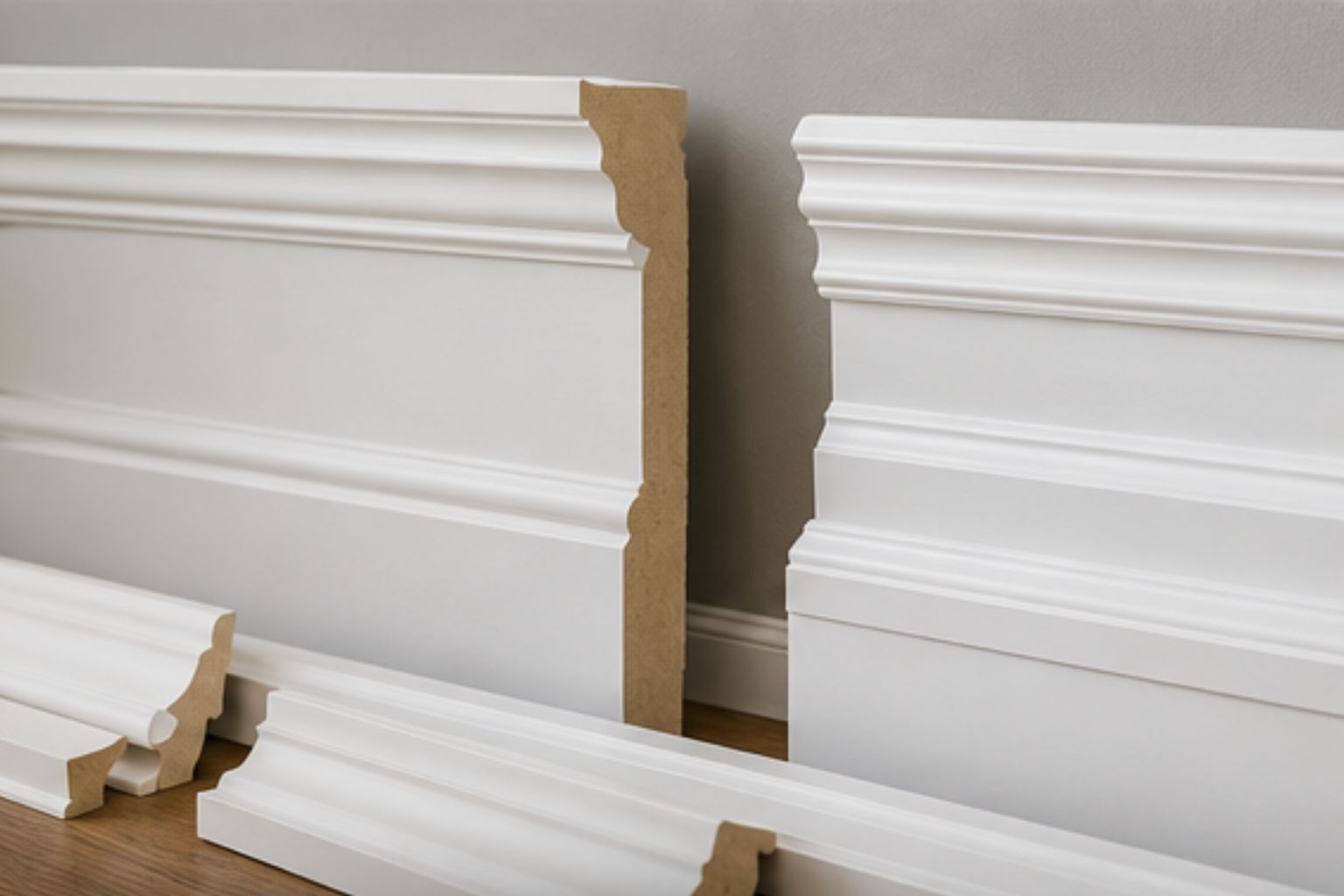
Some of the most important design elements in a home aren’t necessarily the largest ones. Mouldings run quietly around floors,
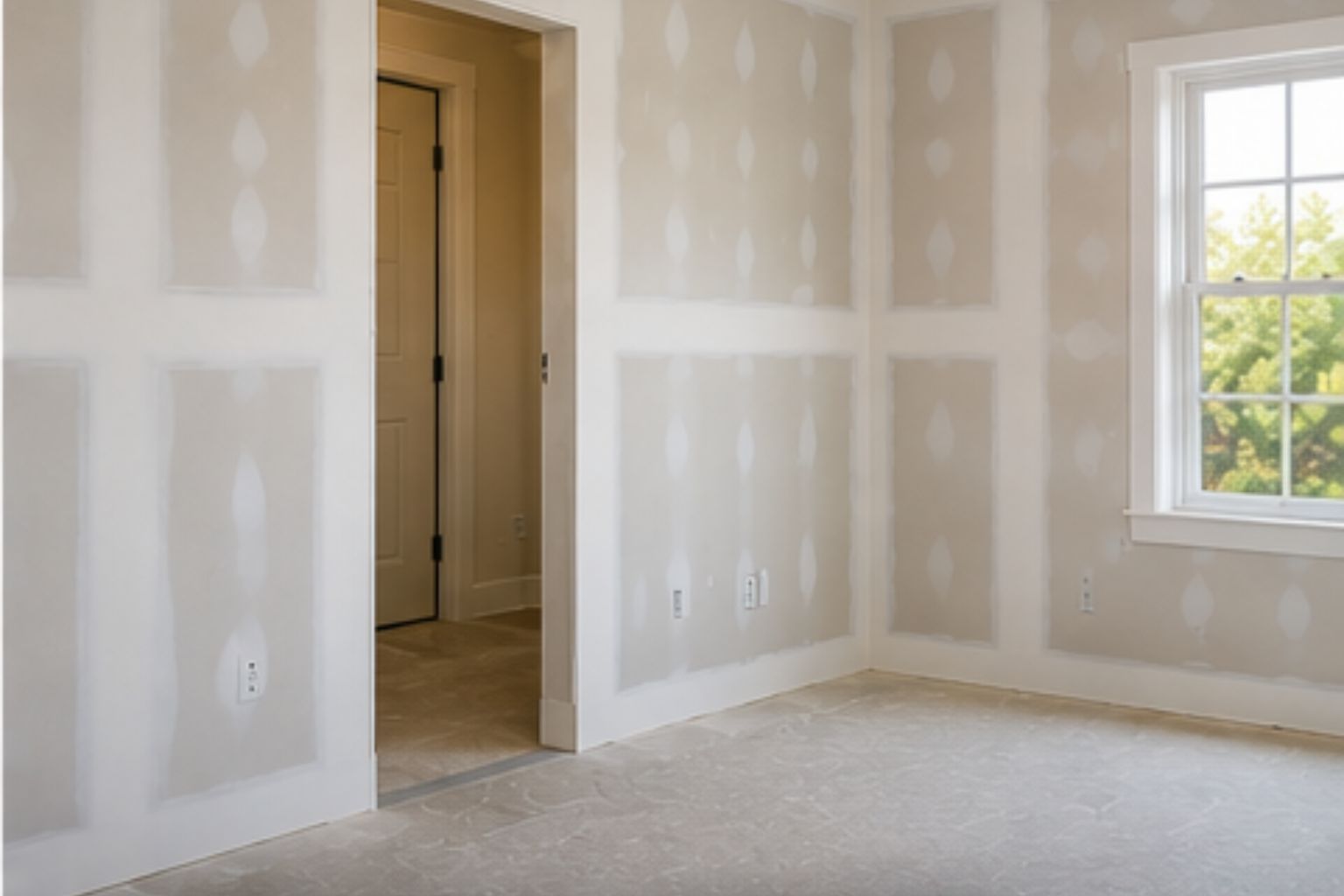
Walls create the backdrop for nearly everything inside your home. When they are smooth and properly finished, you barely notice
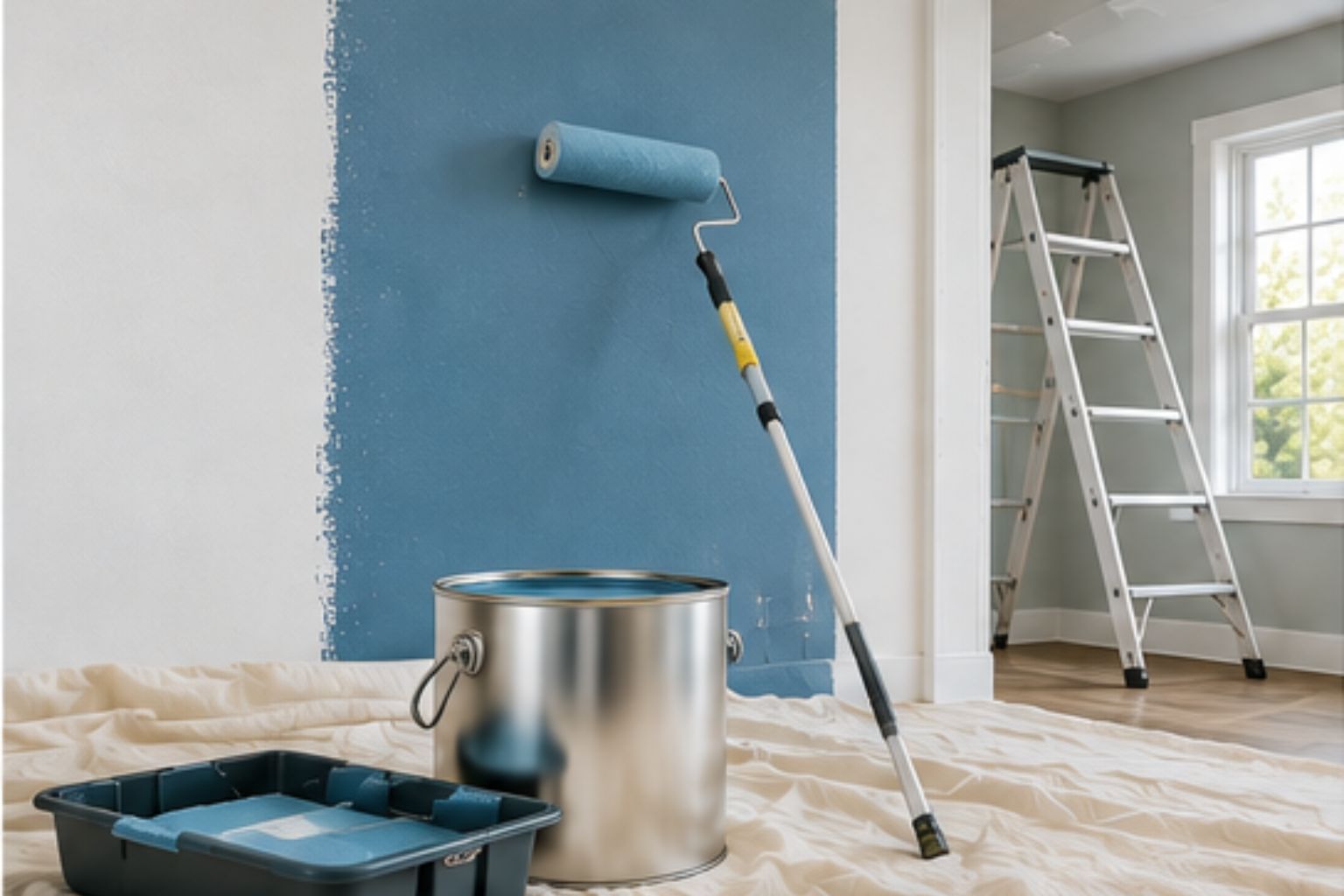
Few home improvements can transform a space as quickly as paint. A dated room can suddenly feel current, dark spaces
For many homeowners, the garage is one of the hardest-working areas of the house—and one of the most overlooked. Vehicles
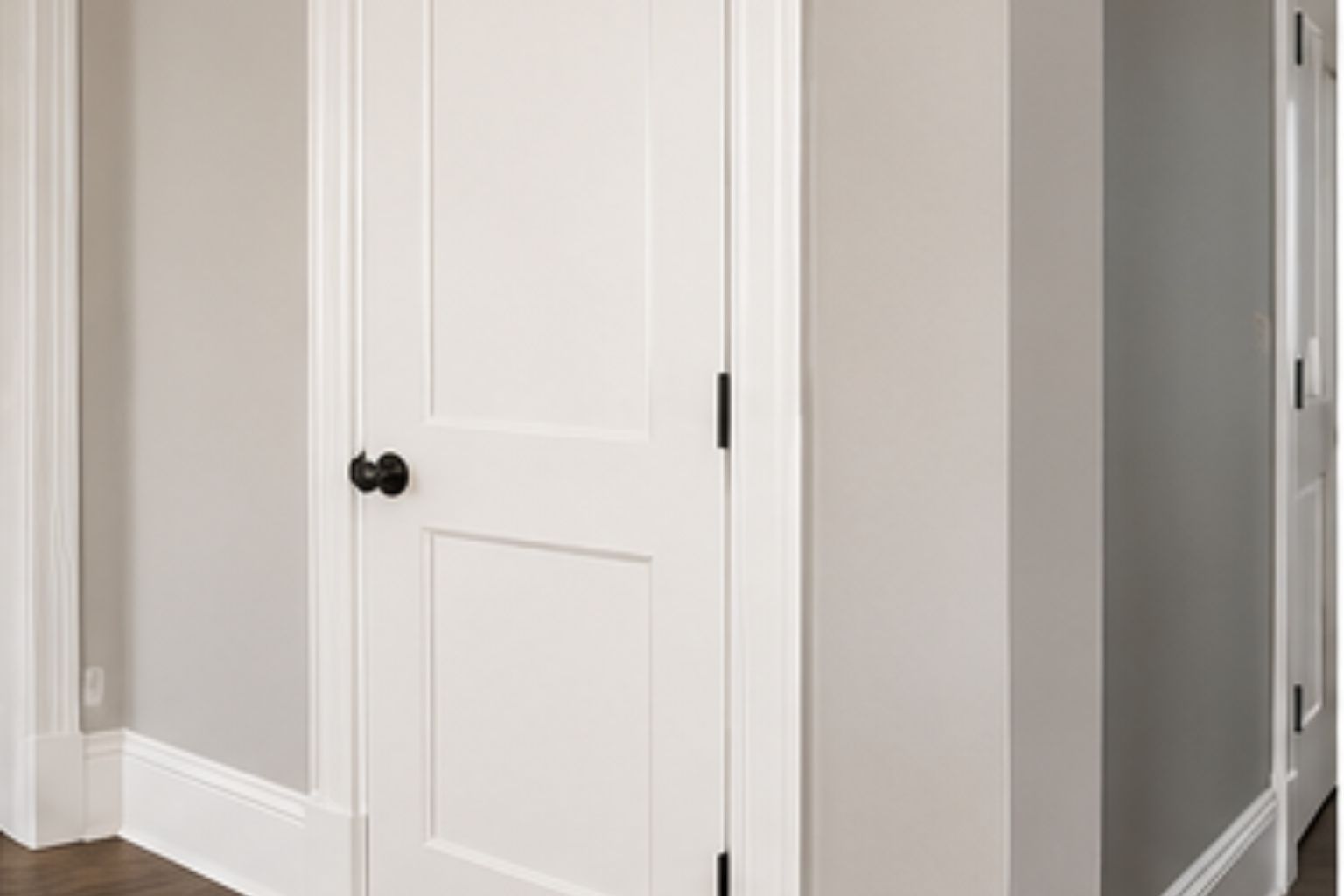
Walk into a beautifully finished room and you may notice the flooring, wall color, or furniture first. But much of
Flooring covers more surface area than almost any other design element in your home, so it has a major influence

Every home has a list—the door that sticks, the loose piece of trim, outdated hardware, a fixture waiting to be
Your home should work for the way you live today. As families change and styles evolve, spaces that once worked
Interior trim is often called the jewelry of the home because it adds the finishing touch that makes a room
When planning a home update, trim terminology can get confusing. Homeowners often hear words like baseboards, casing, and crown moulding,
Finish carpentry is one of the final stages of a home improvement project, but it is also one of the
When homeowners think about remodeling, they often focus on flooring, paint colors, or new cabinets. While these elements certainly transform