
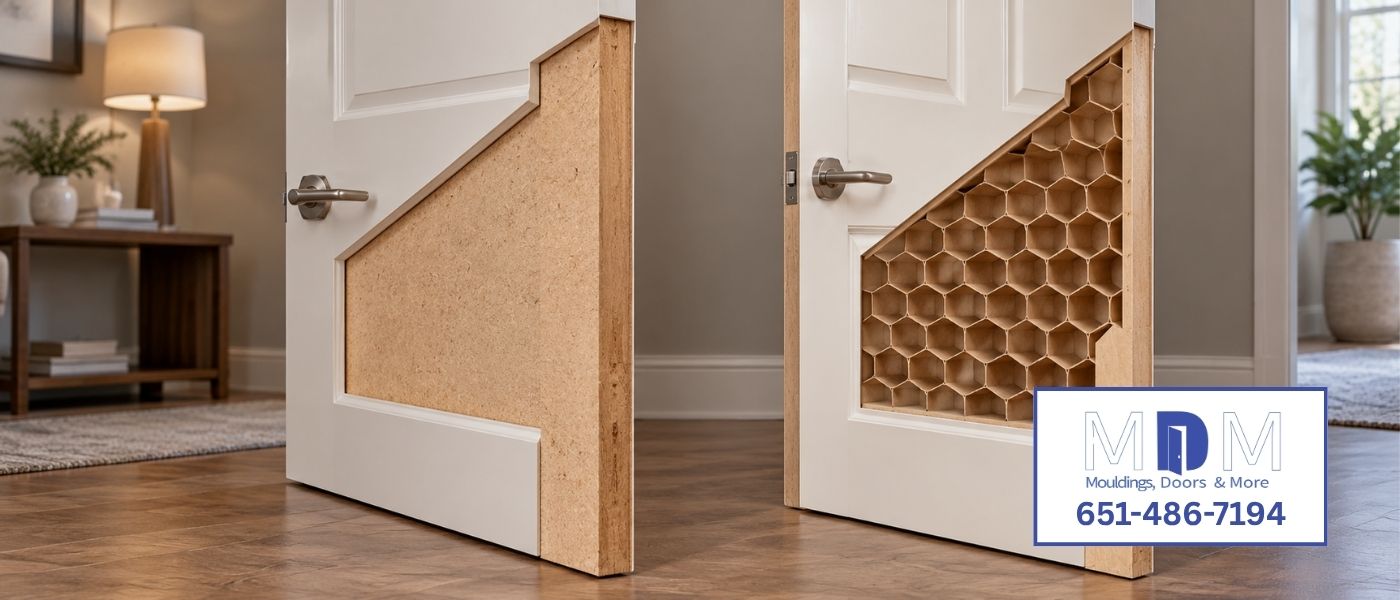
Two interior doors can look almost identical from across the room while feeling completely different when you open and close them. Much of that difference comes from what is inside the door, not what you see on the surface. Understanding the difference between solid core and hollow core doors can help you choose the right balance of cost, privacy, durability, and feel for each room in your home.
There is no single door construction that is automatically best for every opening. A closet does not necessarily need the same level of sound control as a bedroom, and a home office may benefit from more privacy than a hallway storage space. Mouldings, Doors & More offers a range of interior door options and can help homeowners compare products based on how each room is actually used.
What Is a Hollow Core Door?
A hollow core door is built with a lightweight interior structure rather than a dense solid center. The outer faces create the finished appearance, while the interior is designed to keep the door light and economical. This construction has made hollow core doors a common choice in many homes, particularly where budget and ease of handling are important.
Because these doors are lighter, they are generally easier to move and install. They can work well for closets, pantries, utility spaces, and other rooms where sound reduction is not a major concern. Their lower cost can also make them appealing when a homeowner is replacing a large number of doors at once.
What Is a Solid Core Door?
A solid core door contains a dense engineered or composite core that gives the door substantially more weight and mass. The exterior can still feature many of the same panel styles and finishes available on lighter doors, so the visual difference may be subtle. The biggest differences are usually noticed in the way the door feels, closes, and reduces sound transmission.
The additional mass tends to create a more substantial feel in the hand and can improve privacy between rooms. Solid core doors are often chosen for bedrooms, bathrooms, home offices, media rooms, and other spaces where noise control matters. They can also be a good fit for homeowners who simply prefer the heavier feel of a more substantial interior door.
Sound Control Is One of the Biggest Differences
Noise is one of the most common reasons homeowners consider upgrading from hollow core to solid core doors. A lightweight door provides less mass between two rooms, which means voices, television sound, music, and household activity can pass through more easily. A solid core door cannot make a room soundproof, but its added density can noticeably improve sound reduction.
This matters most in rooms where privacy or concentration is important. Bedrooms located near living areas, nurseries, home offices, and bathrooms can all benefit from a door that helps soften sound. If your home has an open floor plan and you need a few quieter spaces, changing selected doors may be a practical way to improve everyday comfort.
Durability and Everyday Feel
Solid core doors generally feel sturdier because there is more material inside them. They can stand up well to frequent use, and the heavier construction often gives the entire doorway a more substantial impression. That feeling can be especially noticeable when new doors are paired with quality hinges, hardware, and properly installed casing.
Hollow core doors are still appropriate for many applications, but they may be more vulnerable to impact damage because the faces are supported by a lighter interior structure. For low-traffic areas, that tradeoff may be completely reasonable. The key is matching the door to the demands of the room instead of assuming every opening requires the same construction.
Cost and Budget Considerations
Hollow core doors are typically the more budget-friendly choice, which is why they are widely used in production homes and large replacement projects. When dozens of doors are involved, the price difference between hollow and solid core can become significant. Homeowners working within a fixed remodeling budget may choose to use both types strategically.
For example, you might choose solid core doors for bedrooms, bathrooms, and a home office while using hollow core doors for closets or storage areas. That approach puts more of the budget into the locations where the performance difference will be noticed most. A specialty supplier can help you compare options room by room rather than treating the entire house as one decision.
Weight Affects Hardware and Installation
The added weight of a solid core door means installation details matter. Hinges, jamb condition, alignment, and fasteners all need to support the door properly so it swings smoothly and stays aligned over time. If the existing frame is out of square or worn, simply hanging a heavier slab without addressing those issues can lead to problems.
Mouldings, Doors & More provides finish carpentry and door installation services that include fitting, adjustment, hardware installation, casing, and finishing details. Professional fitting is especially useful when replacing doors in existing jambs because the new slab may need to be cut and prepared to match the opening. The result should look right, but it should also operate smoothly every day.
Style Does Not Have to Be Sacrificed
Choosing between solid and hollow core construction does not mean giving up the door style you want. Many popular interior door profiles are available in multiple constructions, allowing homeowners to keep a consistent visual design throughout the house. This makes it possible to use solid core doors in selected rooms and hollow core doors elsewhere without creating an obvious mismatch.
The surrounding trim also plays an important role in the finished appearance. Coordinating your doors with mouldings, casing, and baseboards can make the entire home feel more intentional. The door slab, trim profile, finish, and hardware should work together as part of one design rather than being selected independently.
Hardware Can Change the Finished Experience
A door’s core construction gets a lot of attention, but hardware also influences how the finished door feels. A substantial solid core door paired with undersized or poorly matched hardware may not deliver the experience you expected. Likewise, attractive levers or knobs can give a simpler door a more refined and coordinated appearance.
Mouldings, Doors & More offers door hardware and lockset options in a variety of styles and finishes. Thinking about hardware at the same time as the door helps ensure that function and design work together. It also makes it easier to coordinate finishes throughout bedrooms, bathrooms, closets, and shared living areas.
Which Door Is Right for Your Home?
If privacy, sound reduction, durability, and a substantial feel are priorities, solid core doors are often worth considering. If cost, light weight, and basic separation are the primary needs, hollow core doors may be a practical choice. Many homes benefit from a combination of both rather than using one construction everywhere.
The best decision starts with the room, the budget, and the way the door will be used. If you are replacing interior doors and want help comparing core types, styles, sizing, trim, or installation, contact Mouldings, Doors & More to discuss your project. Choosing the right construction up front can help your new doors look better, feel better, and perform the way you expect.
continue reading
Related Posts
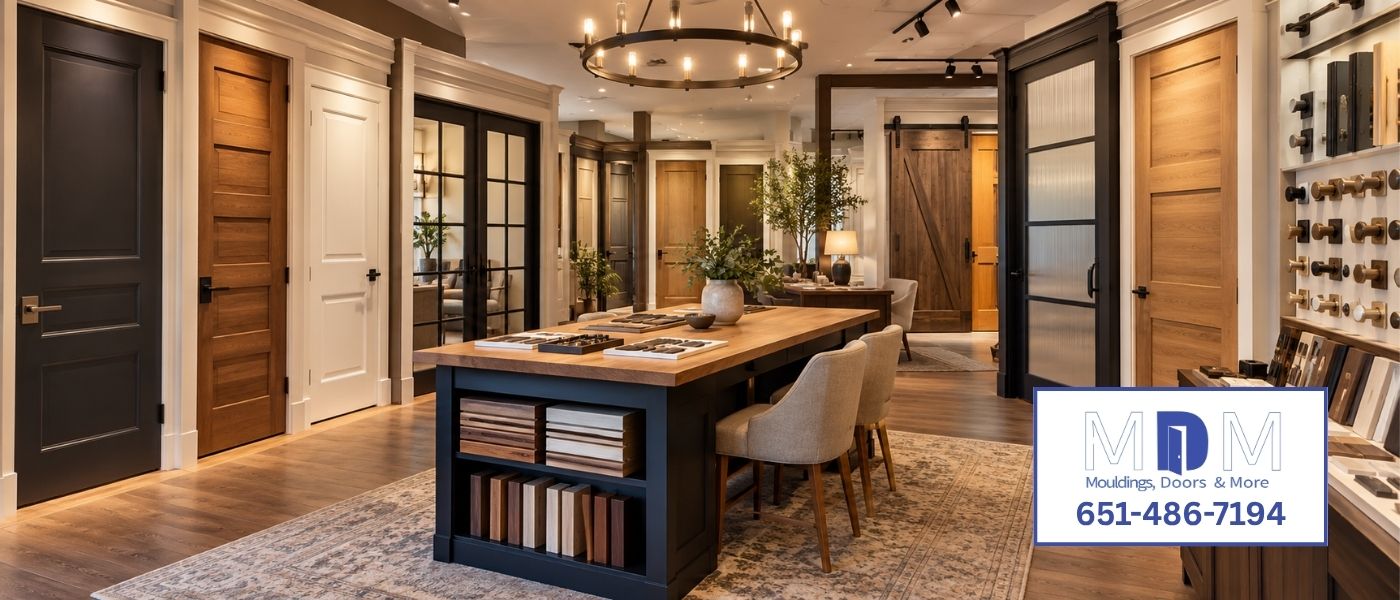
Interior doors rarely stand alone visually. Every door is framed by casing, connected to baseboards, surrounded by wall color, and
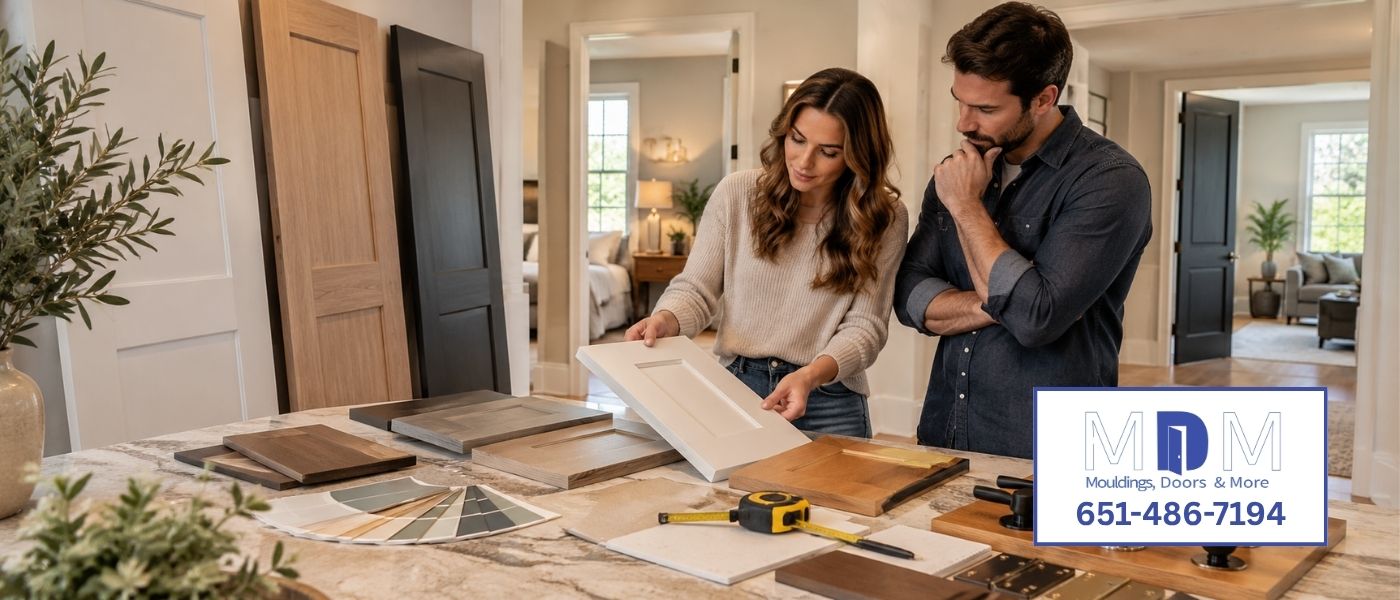
When homeowners begin shopping for interior doors, price is often one of the first things they compare. A big-box store
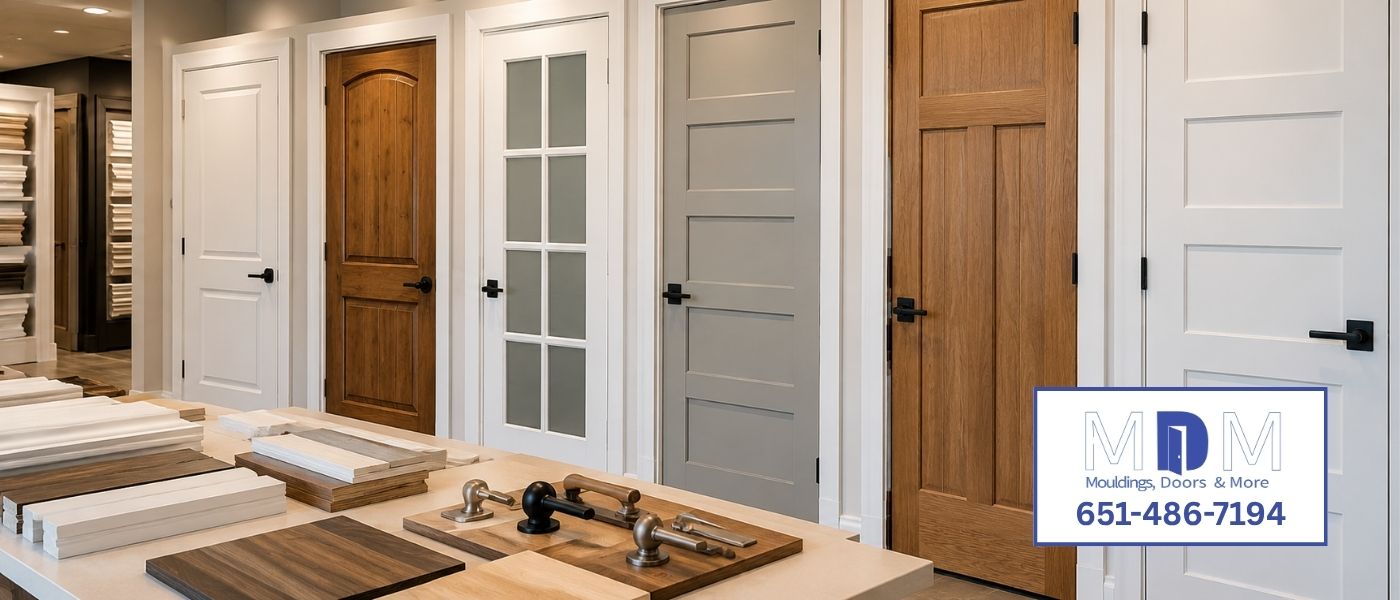
Interior doors do much more than separate one room from another. They affect privacy, sound, traffic flow, light, storage access,
Shopping for interior doors can look simple at first. You choose a style, pick a size, load it into the
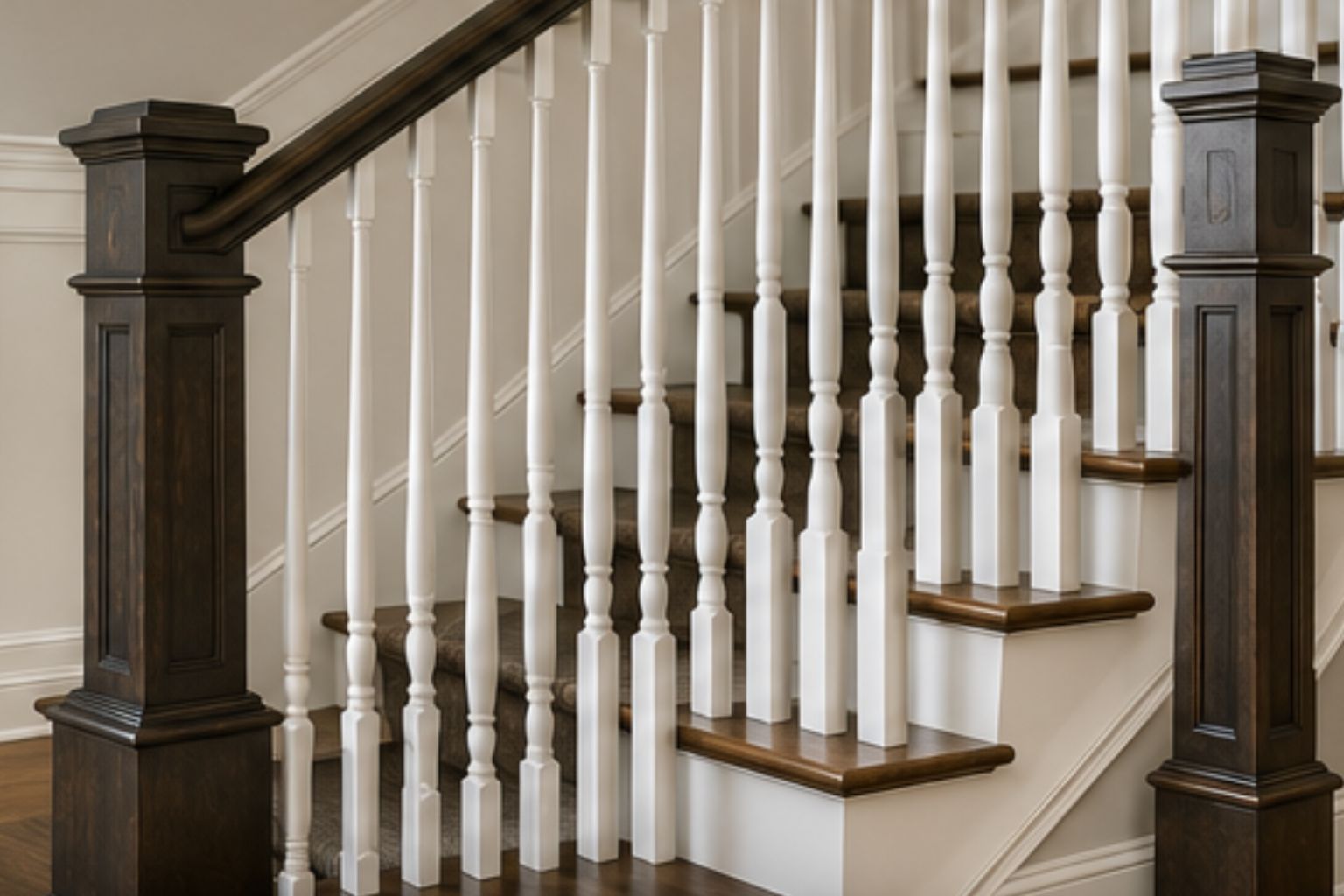
A staircase is necessary for moving between floors, but that doesn’t mean it has to be purely functional. In many
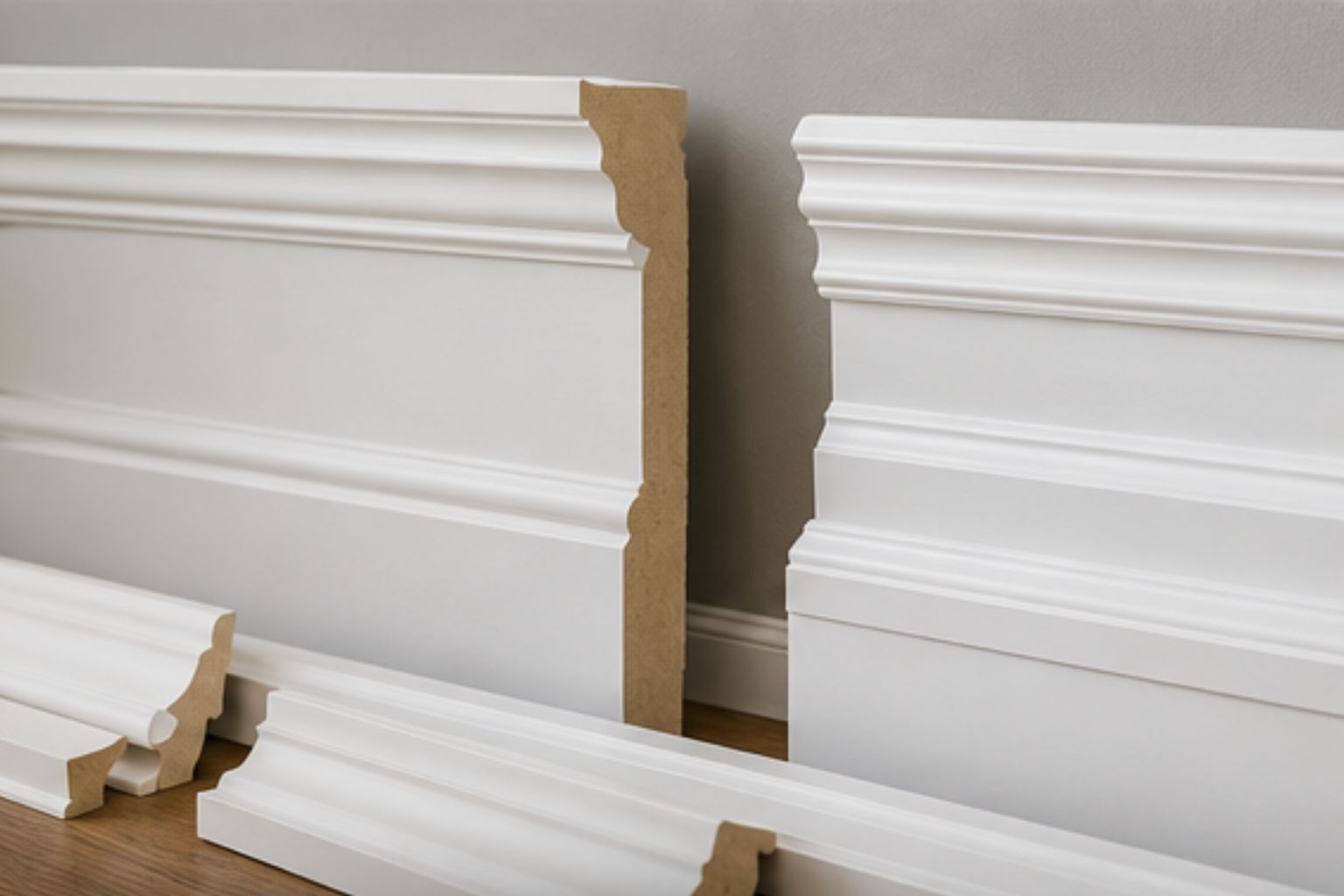
Some of the most important design elements in a home aren’t necessarily the largest ones. Mouldings run quietly around floors,
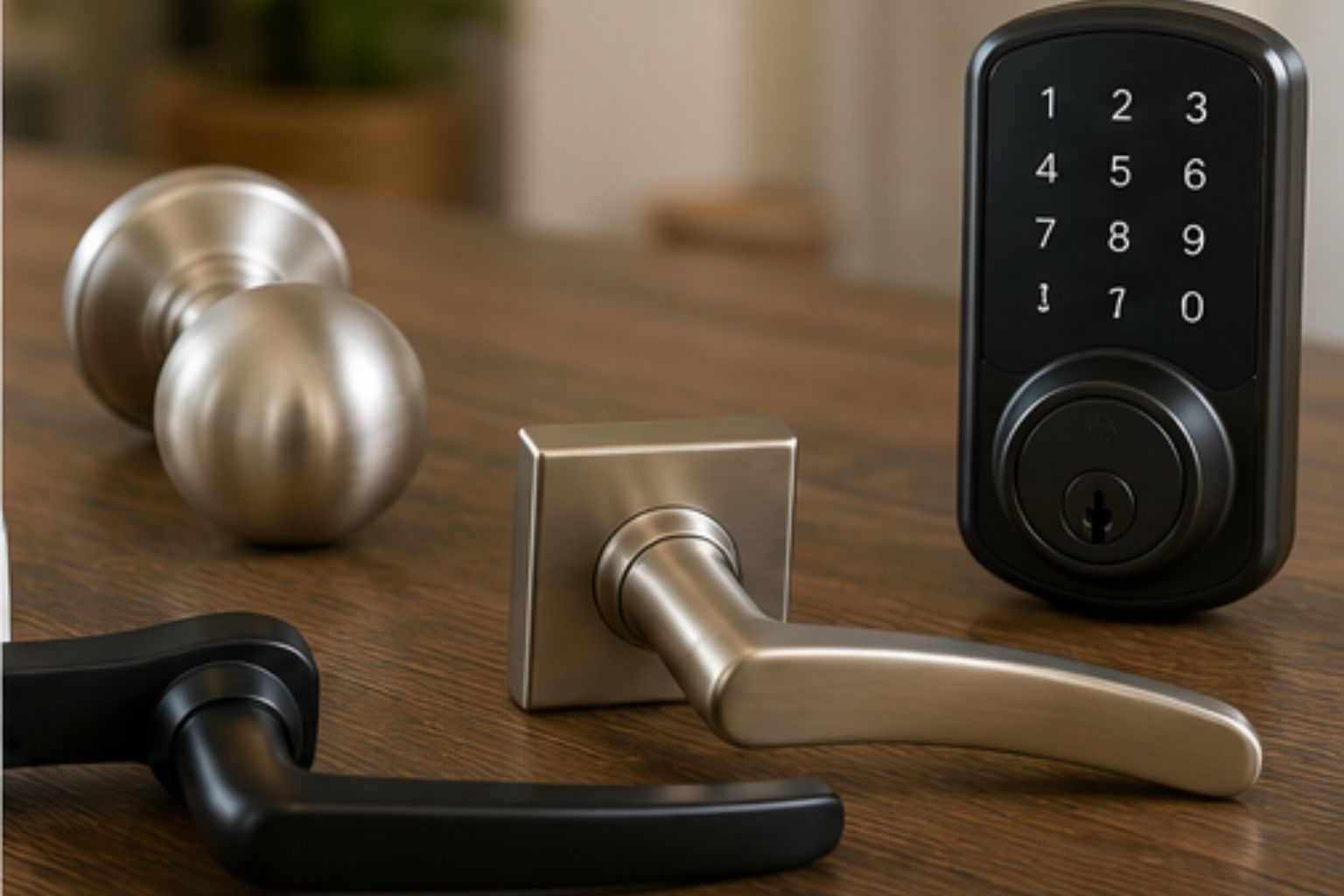
You can spend considerable time choosing the perfect door, but the project is not truly complete until you choose the
Interior doors are easy to overlook when planning a home improvement project. Homeowners often focus first on flooring, paint, cabinetry,
Walls create the backdrop for nearly everything inside your home. When they are smooth and properly finished, you barely notice
Your exterior doors do much more than provide a way in and out of your home. They help define the
Few home improvements can transform a space as quickly as paint. A dated room can suddenly feel current, dark spaces
For many homeowners, the garage is one of the hardest-working areas of the house—and one of the most overlooked. Vehicles