
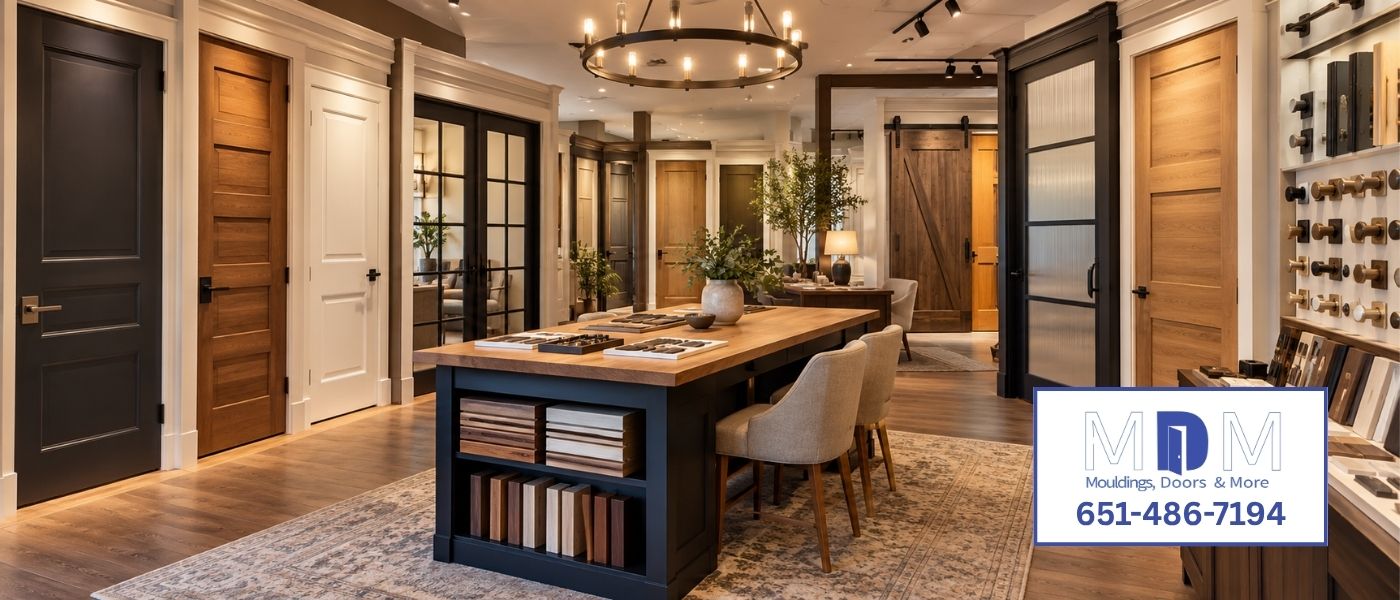
Interior doors rarely stand alone visually. Every door is framed by casing, connected to baseboards, surrounded by wall color, and paired with hardware that helps define the room’s style. When these elements are selected together, even a simple doorway can look intentional and finished.
When they are selected independently, small differences in profile, proportion, finish, or style can make a remodel feel less cohesive. Mouldings, Doors & More offers both interior doors and a wide selection of mouldings and trim, making it easier to consider the entire wall rather than one product at a time. The goal is not to make everything identical, but to create a visual relationship between the pieces.
Start with the Overall Style of the Home
The architecture of the home should guide the conversation before individual trim profiles are chosen. A modern interior often benefits from cleaner lines and restrained details, while a traditional home may support more layered profiles, raised panels, or decorative mouldings. Craftsman-inspired spaces often use substantial, straightforward trim that emphasizes strong proportions rather than ornate detailing.
Your doors should speak the same design language as the trim around them. A highly decorative casing surrounding an ultra-minimal slab can feel disconnected unless the contrast is intentional. Starting with a clear style direction makes later decisions about profile, width, paint, stain, and hardware much easier.
Door Casing Creates the Immediate Frame
Casing is the trim that surrounds the sides and top of the doorway, so it has the strongest visual relationship with the door itself. Its width, thickness, edge detail, and finish all influence how substantial the opening appears. Wider casing can create a more architectural look, while narrower profiles can feel lighter and more contemporary.
The door profile and casing do not need to repeat the exact same shapes, but they should feel compatible. A simple shaker-style door often pairs well with straightforward casing, while a more traditional raised-panel door can support additional detail. When the casing is proportioned correctly, it helps the door feel connected to the surrounding wall rather than inserted into it.
Baseboards Need to Transition Cleanly into Casing
One of the most visible trim details in a room is where the baseboard meets the door casing. If the thicknesses and profiles are poorly matched, the joint can look awkward even when both products are attractive on their own. A well-planned transition makes the baseboard appear to terminate naturally at the doorway.
This does not mean the baseboard and casing must be the same width or shape. They simply need compatible proportions and a thoughtful transition point. Looking at full-size samples together is often more useful than choosing each profile from a separate photo or catalog page.
Crown Moulding Should Support the Same Design Language
Crown moulding is farther away from the door, but it still contributes to the room’s architectural vocabulary. An ornate crown combined with very minimal casing and doors may create a mixed look unless there are other elements that tie the styles together. A more consistent approach uses different levels of detail while keeping the overall character related.
The scale of the room also matters. Taller ceilings and larger spaces can often carry wider or more substantial mouldings, while smaller rooms may feel overwhelmed by oversized profiles. Coordinating scale across crown, casing, baseboards, and doors helps the room feel balanced rather than top-heavy or under-detailed.
Painted and Stained Finishes Create Different Effects
Painted trim and doors can create a clean, unified appearance, especially when the same color is used throughout an area of the home. White and off-white remain popular because they provide contrast against many wall colors, but deeper painted colors can make doors and millwork become a design feature. Consistency of sheen and preparation is important because adjacent surfaces reveal differences easily.
Stained wood introduces grain, warmth, and natural variation, which can make the millwork itself a focal point. When using stain-grade doors and trim, wood species and stain color should be considered together because different woods absorb finish differently. A specialty supplier can help you look at the components as a coordinated package rather than assuming one stain will appear identical on every material.
Use Repetition to Connect Rooms
Repeating door styles and trim profiles throughout connected areas is one of the easiest ways to create visual continuity. Hallways are especially important because several openings may be visible at the same time. Even when room colors and furnishings change, consistent millwork provides an architectural thread that connects the spaces.
Repetition does not mean every room has to be identical. A formal dining room may use crown moulding while a bedroom does not, and a pantry might feature a distinctive door while the surrounding doors remain consistent. The shared casing, baseboard, finish, or hardware can still make those variations feel intentional.
Hardware Is Part of the Millwork Story
Knobs, levers, hinges, and locksets add another layer of finish and style to the doorway. Modern black hardware can create a strong contrast against light doors, while warm metals may complement traditional wood tones or classic interiors. The size and shape of the hardware should also feel appropriate for the door profile and overall scale.
Mouldings, Doors & More carries locksets and door hardware in a variety of styles and finishes. Selecting hardware while the doors and trim are being planned helps keep the entire opening coordinated. It can also prevent the common problem of choosing a finish at the end of the project that does not relate to the other metal finishes in the room.
Professional Finish Carpentry Protects the Design
Beautiful products still depend on precise installation. Uneven miters, inconsistent reveals, gaps, poorly fitted casing, and awkward baseboard transitions can distract from even high-quality doors and mouldings. Finish carpentry is where the design plan becomes a physical result, and small details are often what separate a polished installation from an average one.
Mouldings, Doors & More provides finish carpentry services that include doors, casing, baseboards, crown moulding, millwork, fitting, adjustments, caulking, and finishing details. Working with experienced installers can be especially valuable when existing walls and openings are not perfectly square. Skilled fitting allows the finished work to look clean even when the underlying conditions are less than perfect.
Plan the Whole Room Before Ordering
The easiest time to coordinate doors, trim, and hardware is before materials are ordered. Bring together samples, measurements, paint or stain choices, flooring information, and inspiration photos so you can see how the components relate. If you are updating only part of the home, also consider what needs to match existing areas and where a transition to a new style will occur.
A specialty supplier can help translate a design idea into actual products and dimensions. If you are planning an interior door or millwork update, contact Mouldings, Doors & More to discuss your space, style, and project needs. The right combination of doors, casing, baseboards, mouldings, and hardware can turn separate products into one cohesive interior.
continue reading
Related Posts
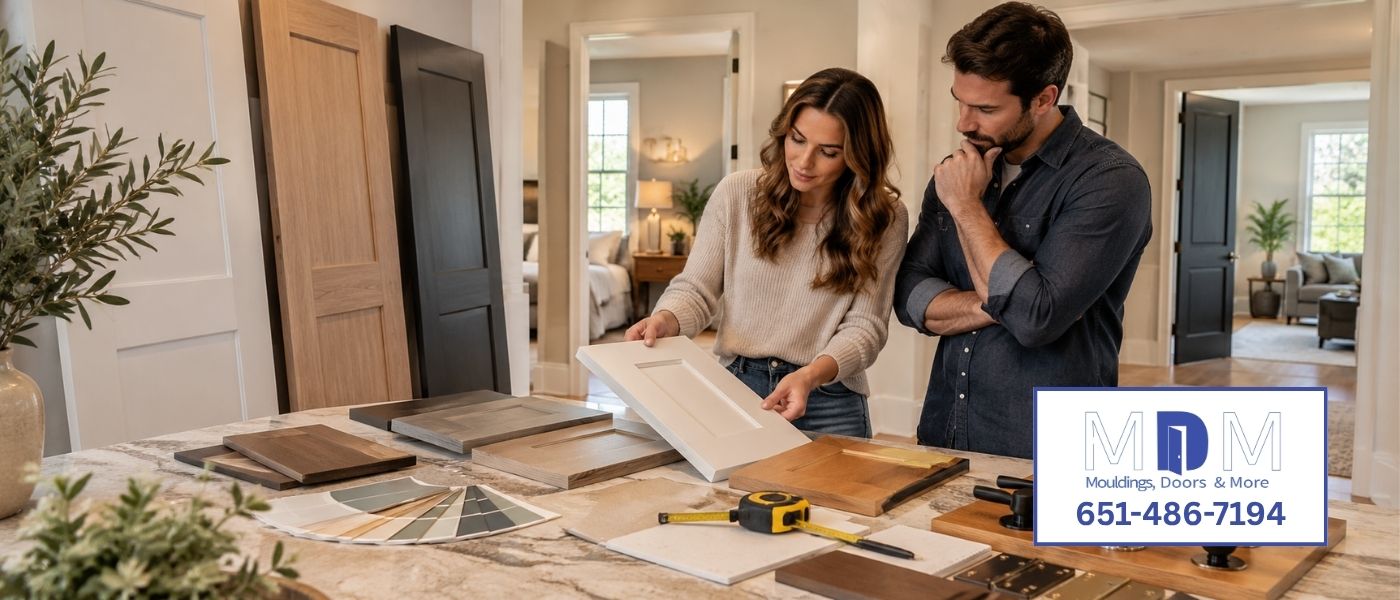
When homeowners begin shopping for interior doors, price is often one of the first things they compare. A big-box store
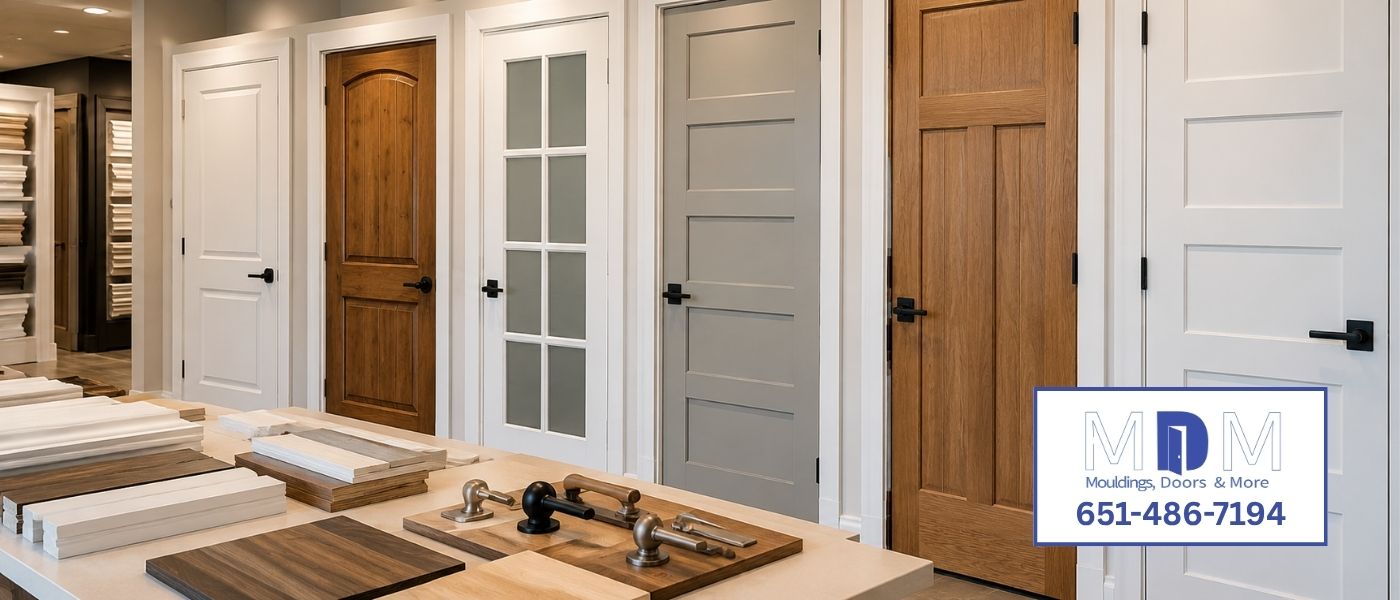
Interior doors do much more than separate one room from another. They affect privacy, sound, traffic flow, light, storage access,
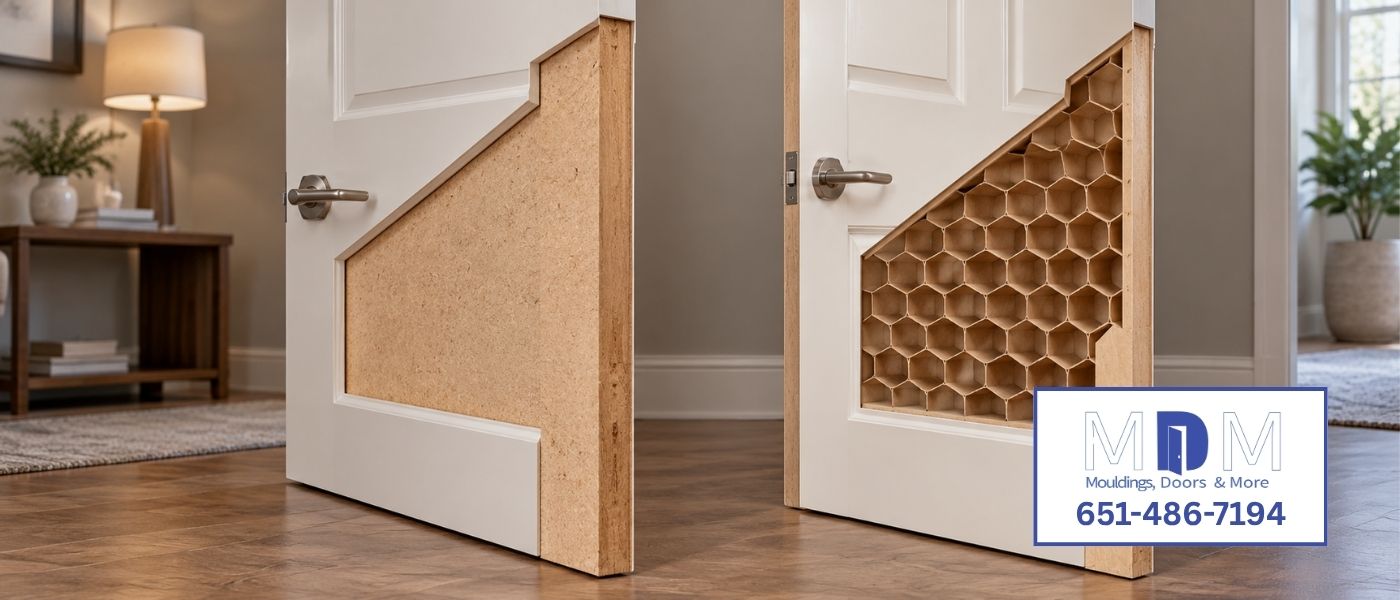
Two interior doors can look almost identical from across the room while feeling completely different when you open and close
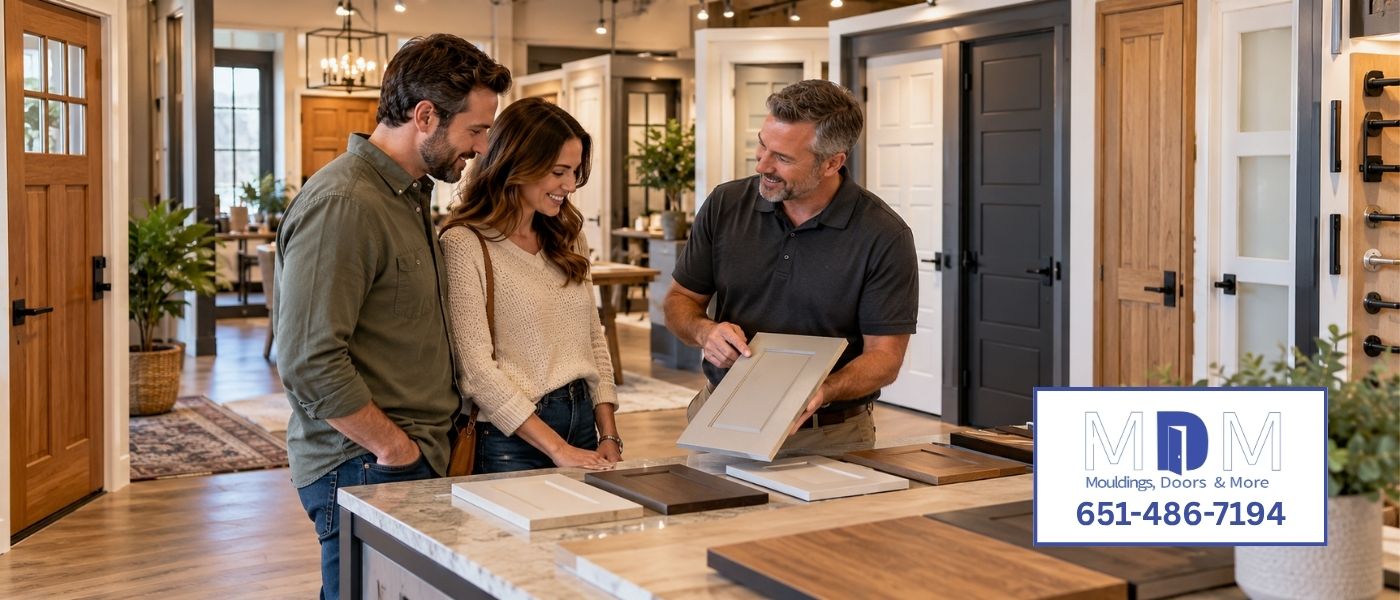
Shopping for interior doors can look simple at first. You choose a style, pick a size, load it into the
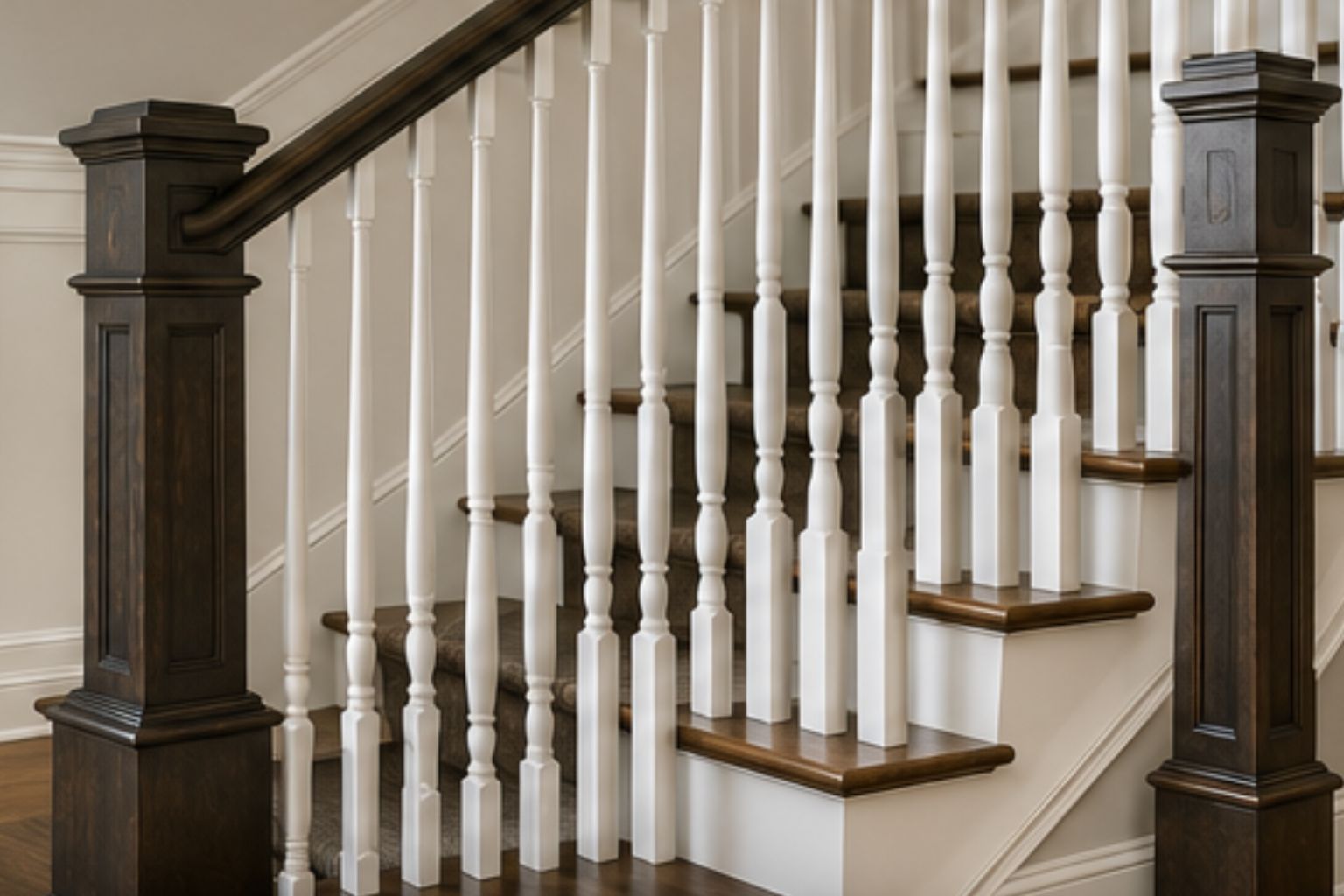
A staircase is necessary for moving between floors, but that doesn’t mean it has to be purely functional. In many
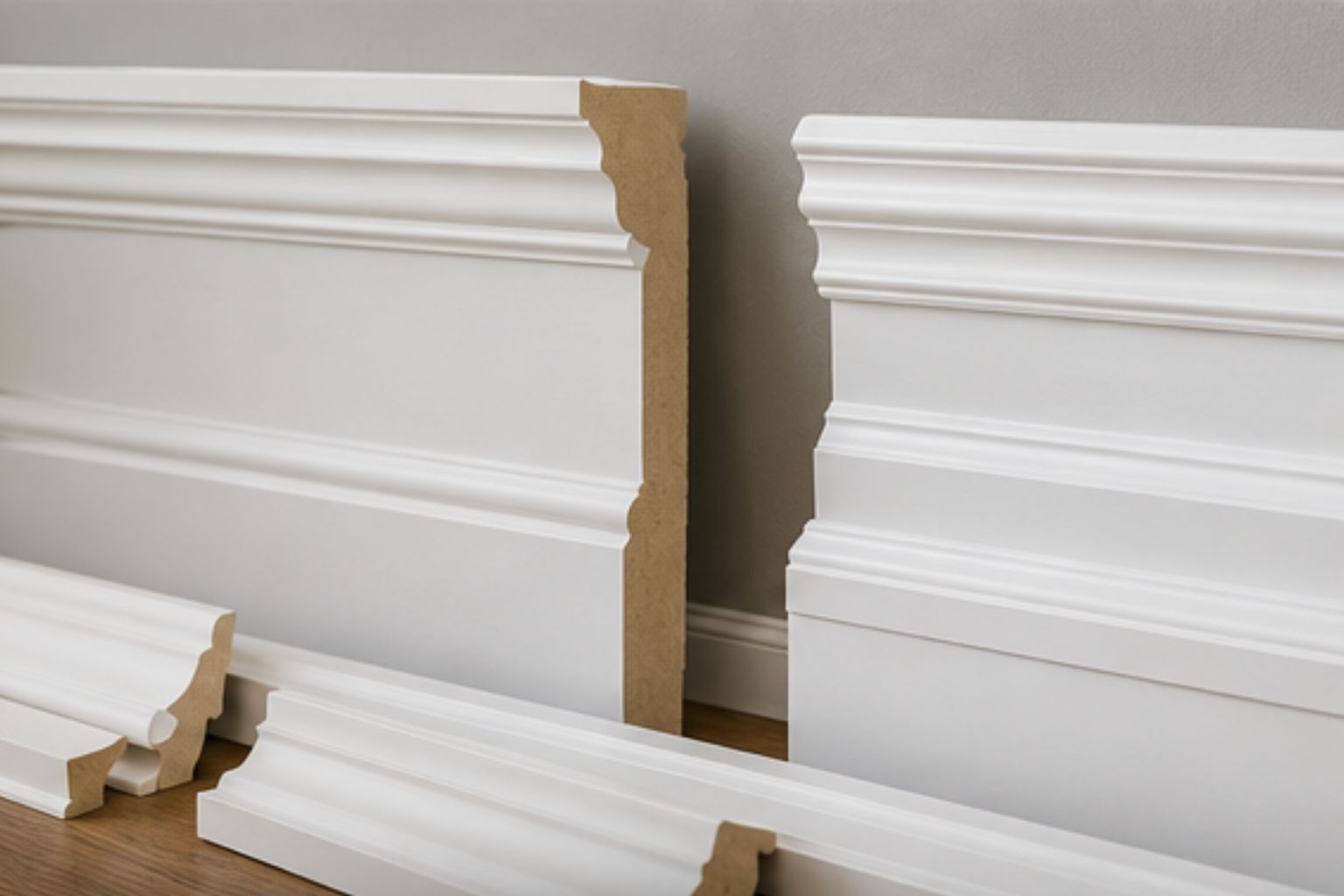
Some of the most important design elements in a home aren’t necessarily the largest ones. Mouldings run quietly around floors,
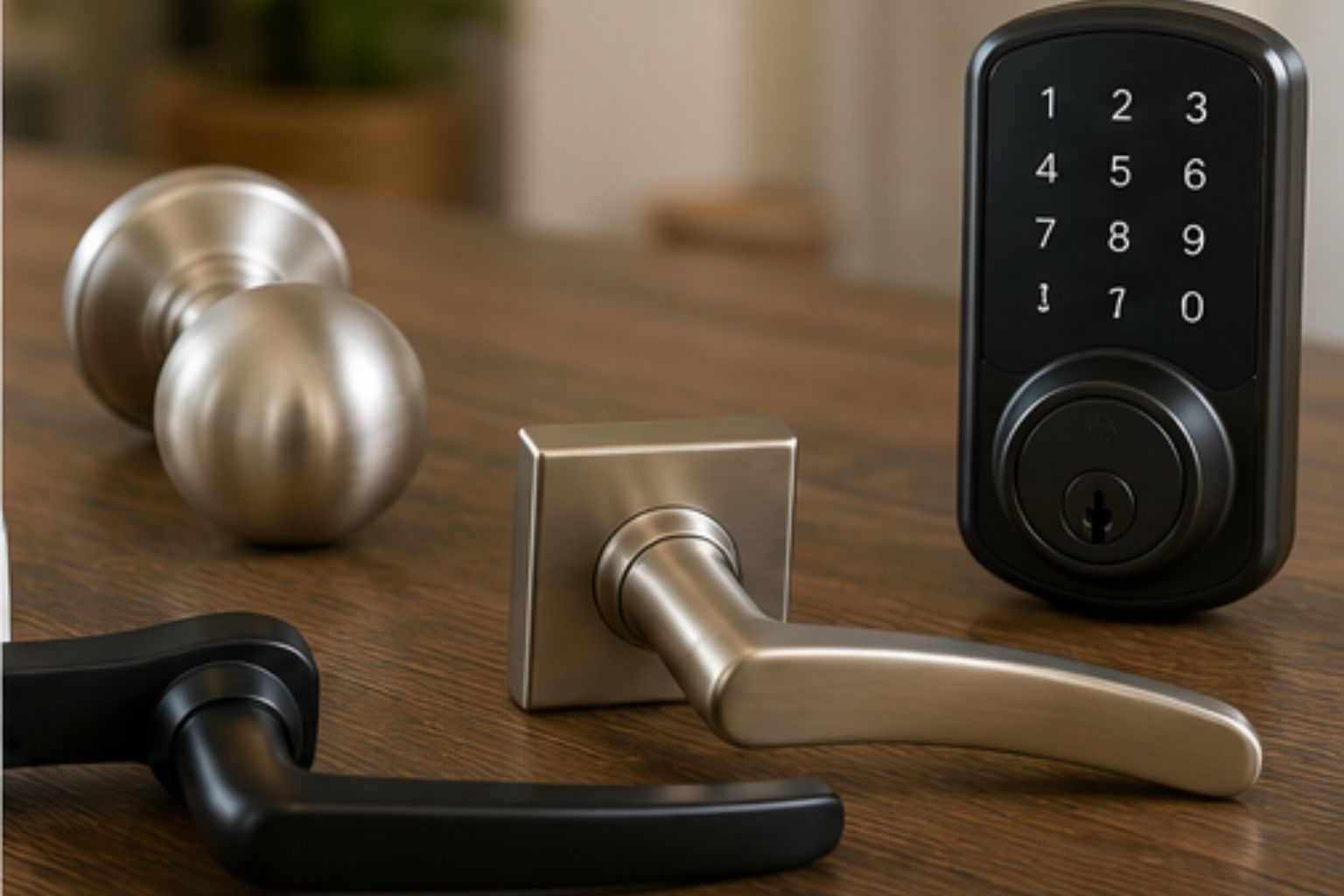
You can spend considerable time choosing the perfect door, but the project is not truly complete until you choose the
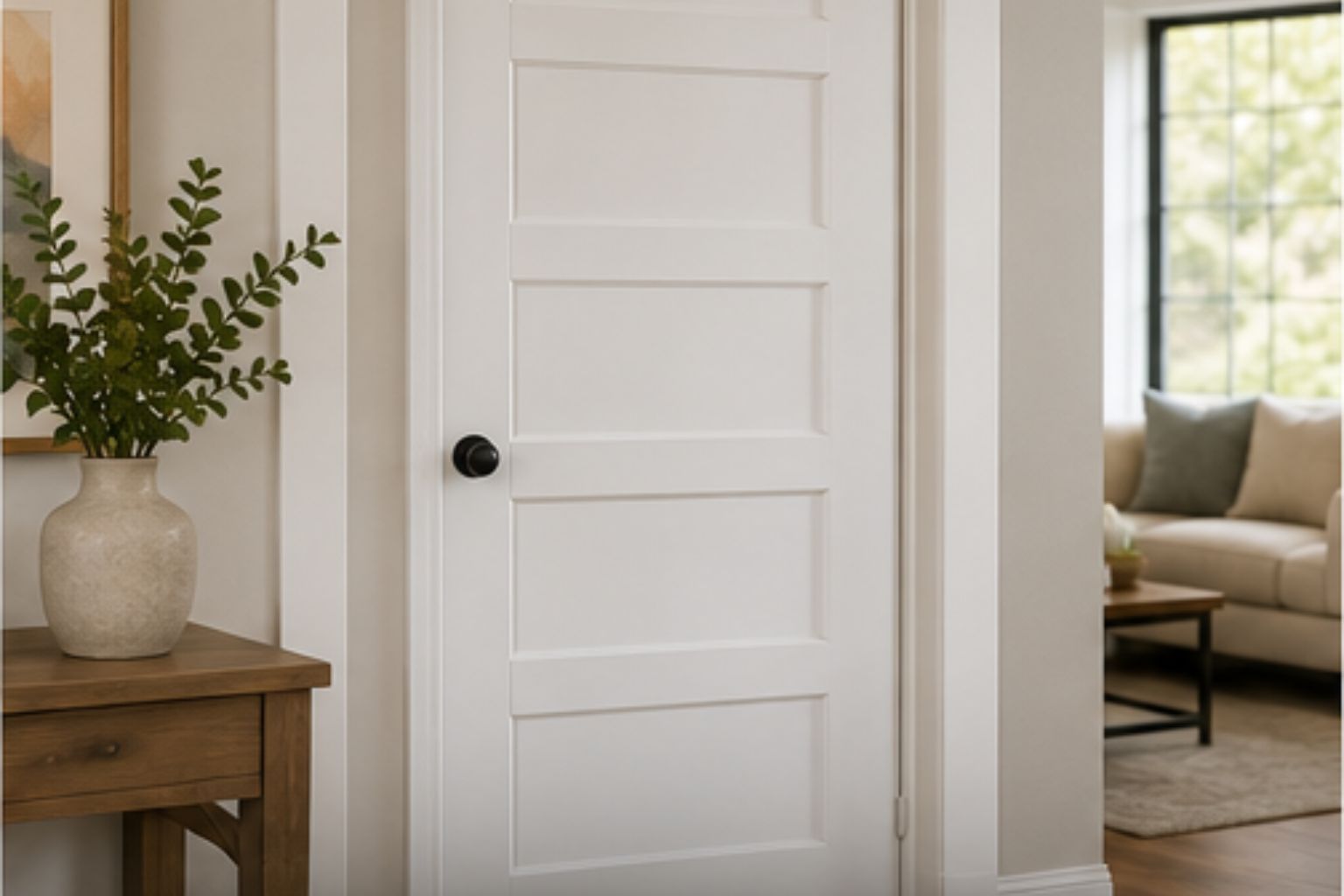
Interior doors are easy to overlook when planning a home improvement project. Homeowners often focus first on flooring, paint, cabinetry,
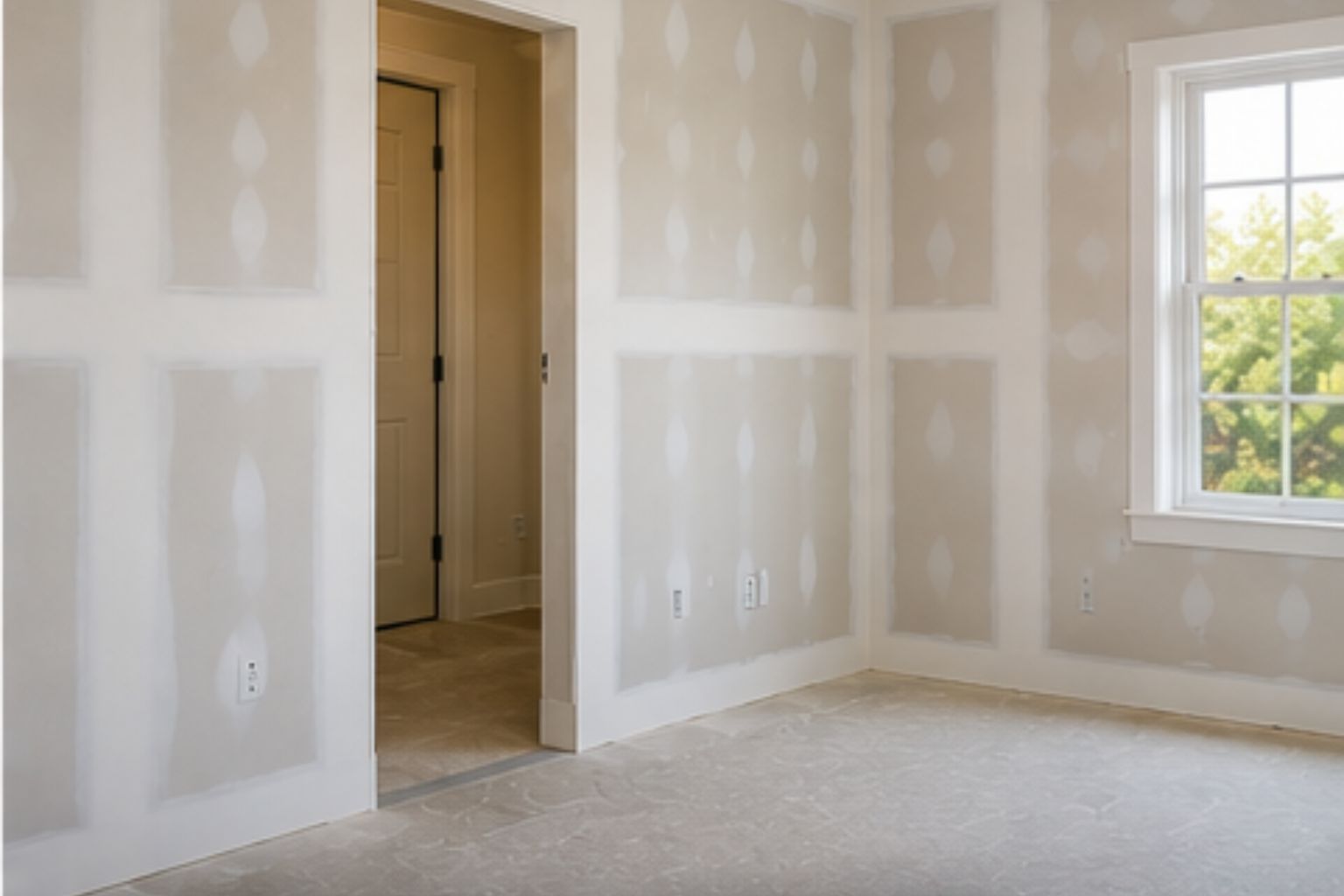
Walls create the backdrop for nearly everything inside your home. When they are smooth and properly finished, you barely notice
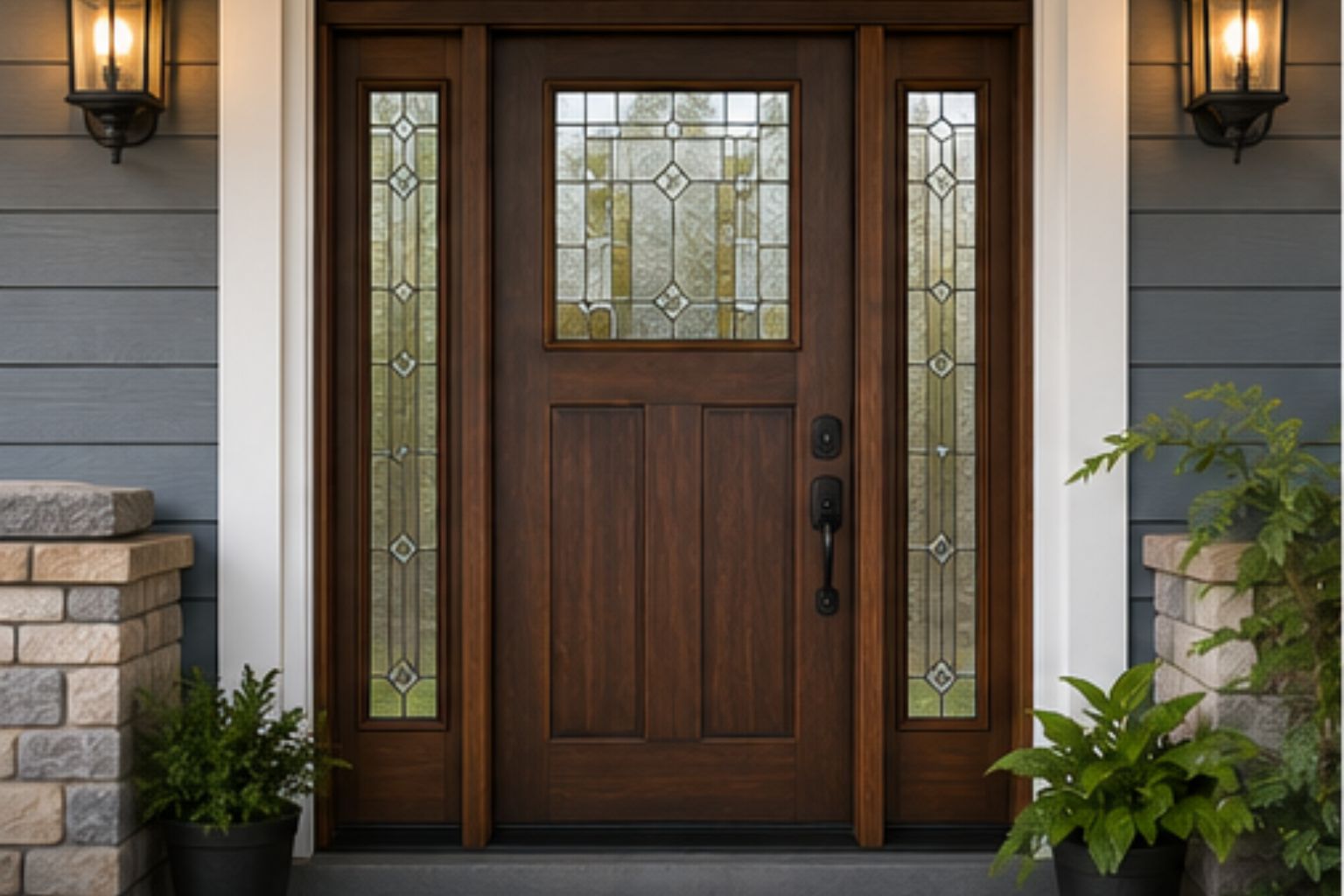
Your exterior doors do much more than provide a way in and out of your home. They help define the
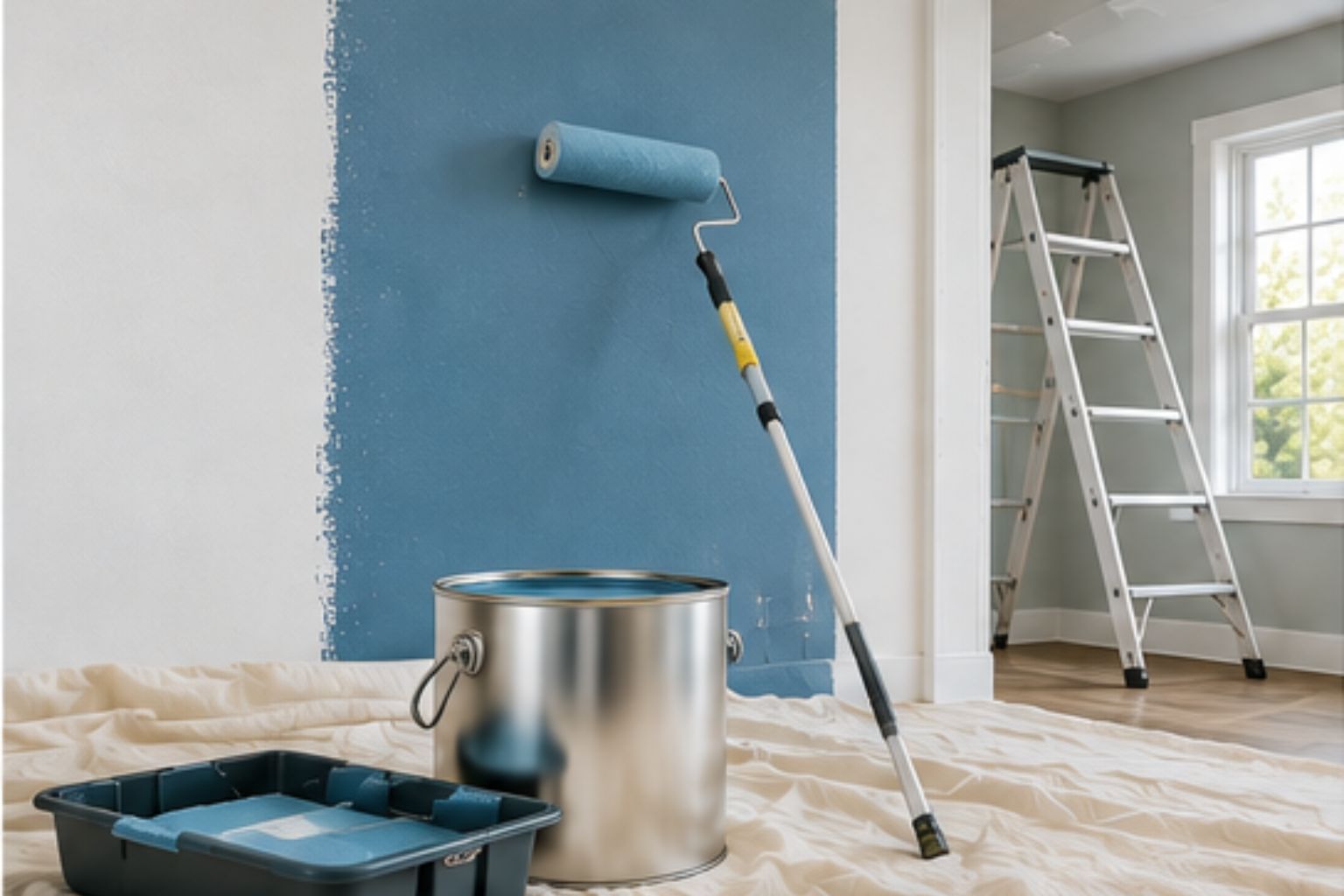
Few home improvements can transform a space as quickly as paint. A dated room can suddenly feel current, dark spaces
For many homeowners, the garage is one of the hardest-working areas of the house—and one of the most overlooked. Vehicles